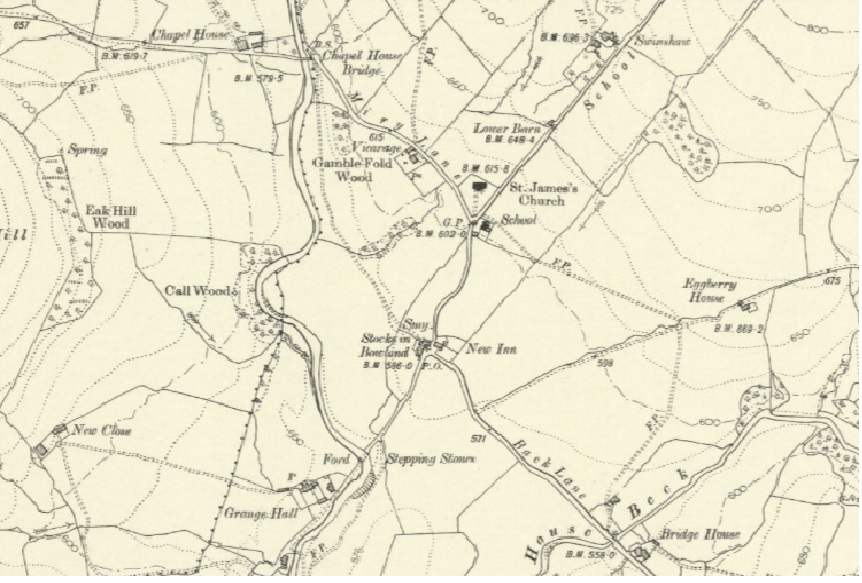
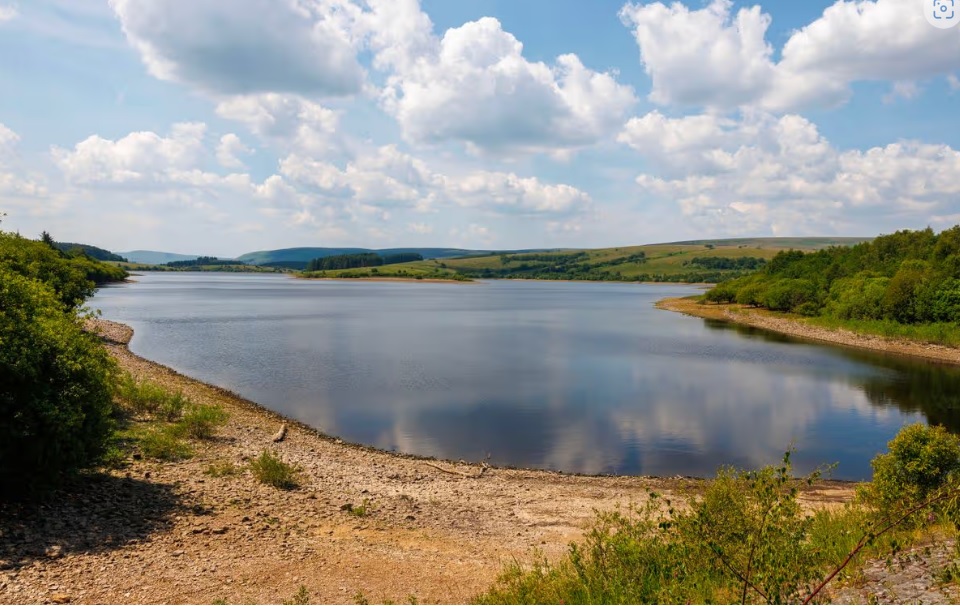
Once a bustling village packed with houses and people, now, all that reportedly remains of the village is a flooded depression, an ancient monument and a small stone gate. A stunning Lancashire village which was once vibrant and lively with a thriving community now lies virtually abandoned — and the reasons behind it are tragic, all that remains of the village is a flooded depression, an ancient monument, and a hiking trail.
Stocks-in-Bowland is an abandoned village in Lancs that suffered a terrible fate. Located in the Dalehead Valley in the Forest of Bowland, Stocks was once home to a vibrant community. Now, the depression in the verdant and lush greenery is flooded with water which makes up the Stocks Reservoir lying at the head of the Hodder Valley. home to fly fishing clubs, weekend ramblers, and mountain bikers, its beautiful surrounding scenery reminding everyone of what once was.
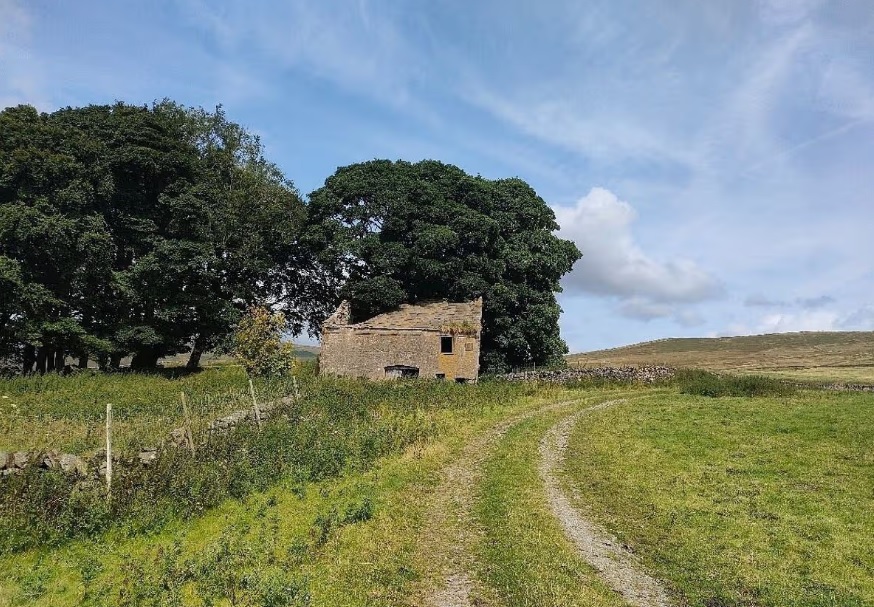
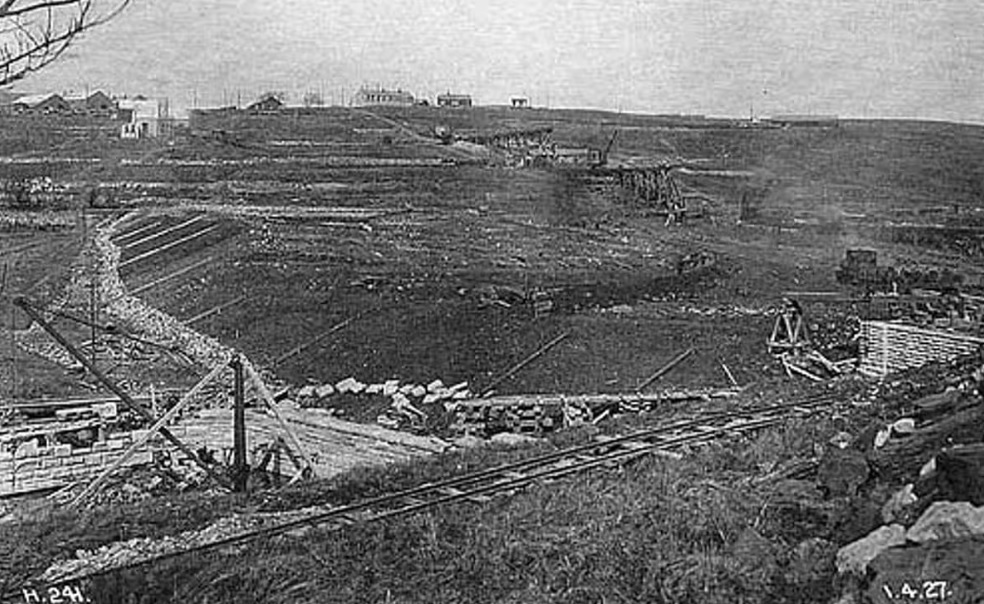
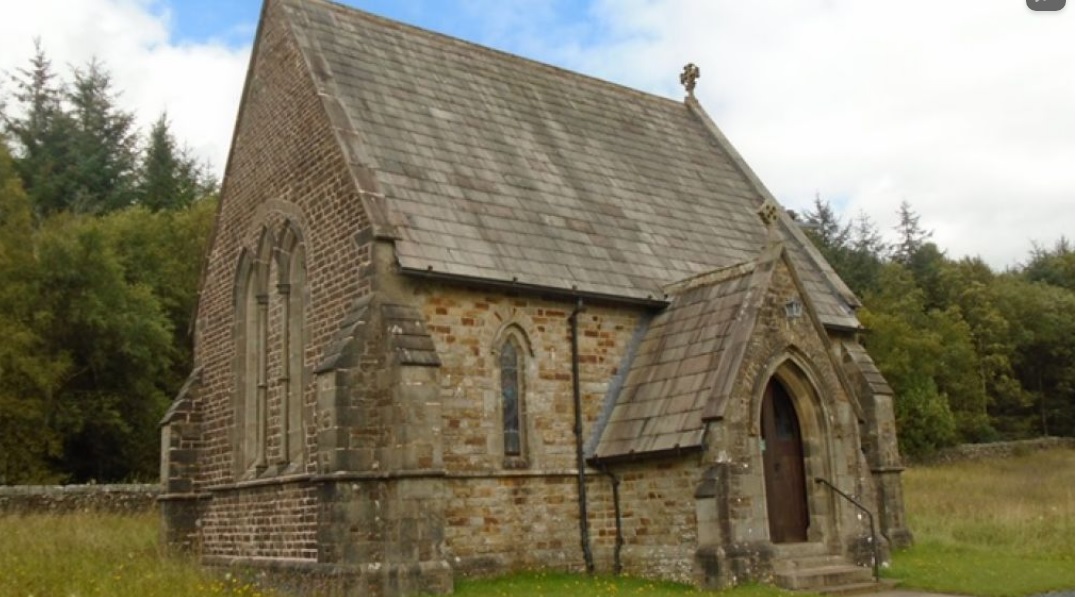
With roughly 344 acres of the valley flooded in total, there remains little indication of the once thriving village of Stocks-in-Bowland, the lush green valley making us forget the hamlet ever existed.
The fantastic circular walking trail encompassing Stocks Reservoir begins from the Gisburn Forest — which is surprisingly an actual forest with trees within the Forest of Bowland — and lies very close to the abandoned and lost village of Stocks. Spanning roughly eight miles (or 13 kilometres), the Stocks Reservoir Circular Path takes between 4 to 4.5 hours to complete and is considered to be a moderate level hiking trail. The trail is considered to be one of the very best places for bird watching in Lancashire, with waders and wildfowl galore out on the water, as well attracting an impressive range of species to the woodland habitats found around the path.
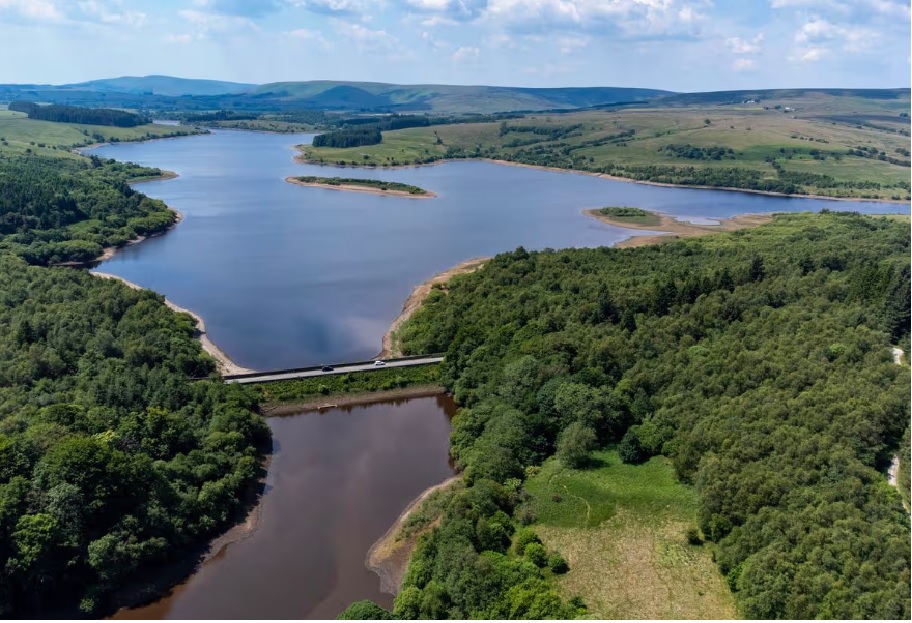
The walk features some of Lancashire’s most stunning and attractive paths, offering the perfect mix of terrains and breathtaking views, and will take you on a grand tour all the way around the Stocks Reservoir. The 8-mile walk around the reservoir couldn’t be simpler, and it’s deemed one of the best hikes for dogs as well. The dry summer months are the recommended period to embark on this stunning trail, as parts of it always have the tendency to get very muddy, so the drier the weather factor the better. Ramblers are advised to be outfitted in appropriate footwear for this path.
The route itself is clearly waymarked with white arrows against a light blue background, making the walk easy overall, but with two pronounced gradients. The circular path is a mixture of grass and stone tracks and paths across fields and through woodland. Ramblers will encounter steps, footbridges, a couple of stiles, gates, and kissing gates while undertaking this hike, and those lucky enough may even spot grazing cattle and sheep. The reservoir itself is a very important place for wildlife, especially birds, with its waters being one of the most important spots in North West England for wildfowl.
Winter time sees the reservoir experience a flurry of activity, with over 30 species of birds found in the area, including rare species like the Whooper Swan, Ring-Necked and Long-Tailed Ducks, Red Throated Diver, and Gadwall. Scores of Wigeon, Tufted Duck and Canada Geese, Mallard, Teal, and Pochard can always be spotted.
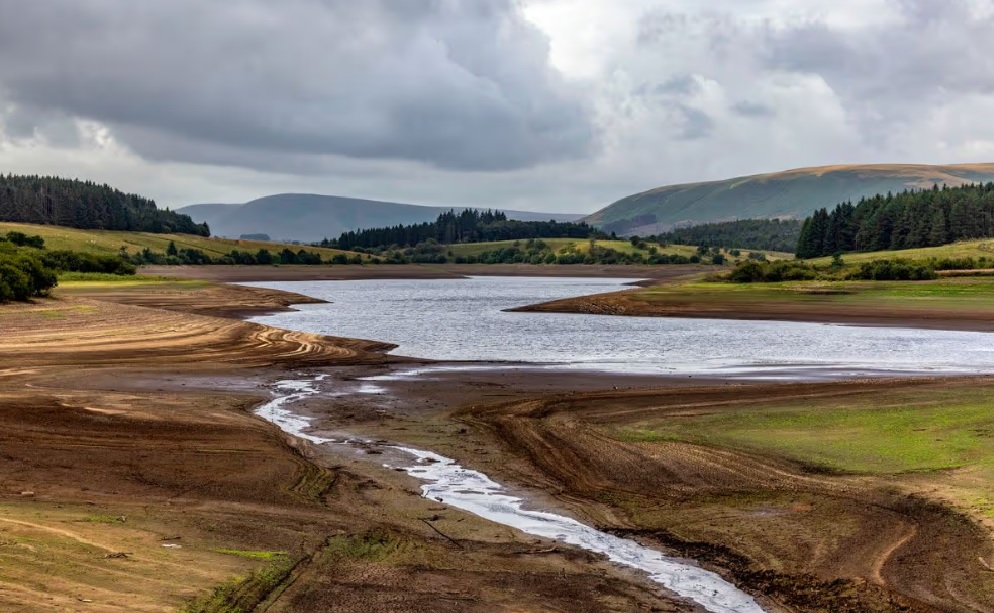
With a smashing 4.4 out of 5 rating on AllTrails, the Stocks Reservoir Circular Path is a hiker’s paradise, with one reviewer saying: “Lovely walk and easy to park, we saw horses, cows, donkeys, an alpaca and a pheasant. There were quite a few places where you had to walk through fields of cows and also cross a railway.” Another rambler said of the trail: “Very nice trail, lots of variations in terrain and scenery. Dog friendly, although you do pass livestock so will need to put your dog on a lead at points. Expected more elevation, but only hit 190m following the trail.” One happy walker shared: “Lovely walk. Beautifully varied countryside, breathtaking views. There were a LOT of calves and cows today, some of which were very active and I admit I was scared to go on a couple of the footpaths because of them. Luckily, I was able to work out a detour back to where I had parked
©Parul Sharma GAU Senior Writer @ Lancs Live
