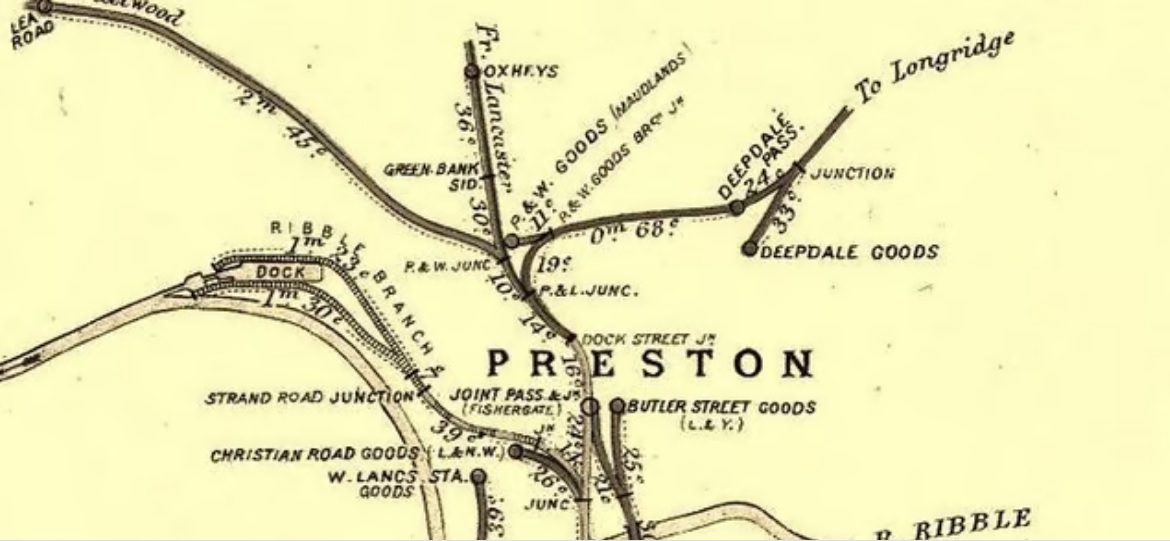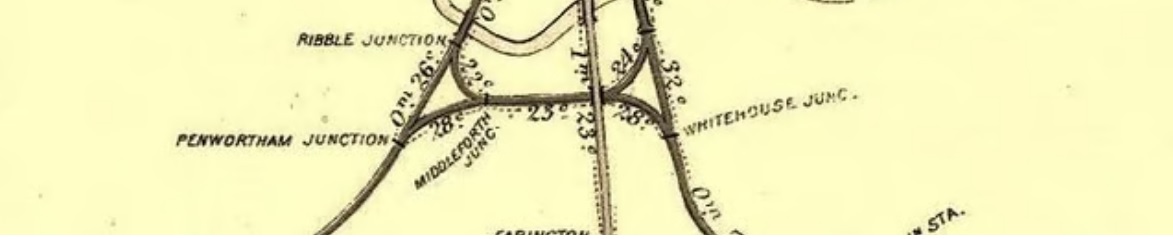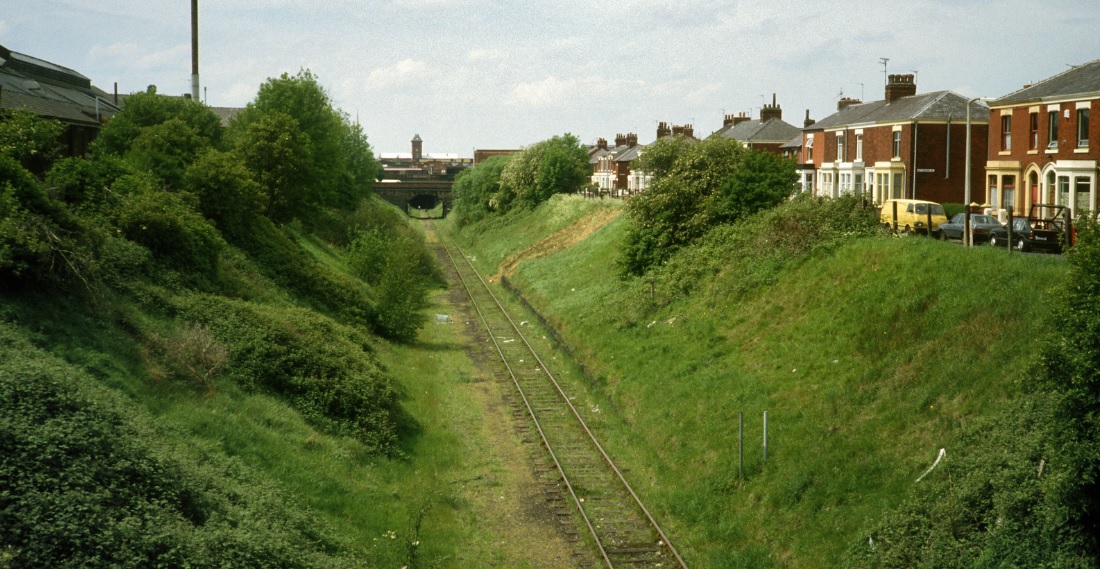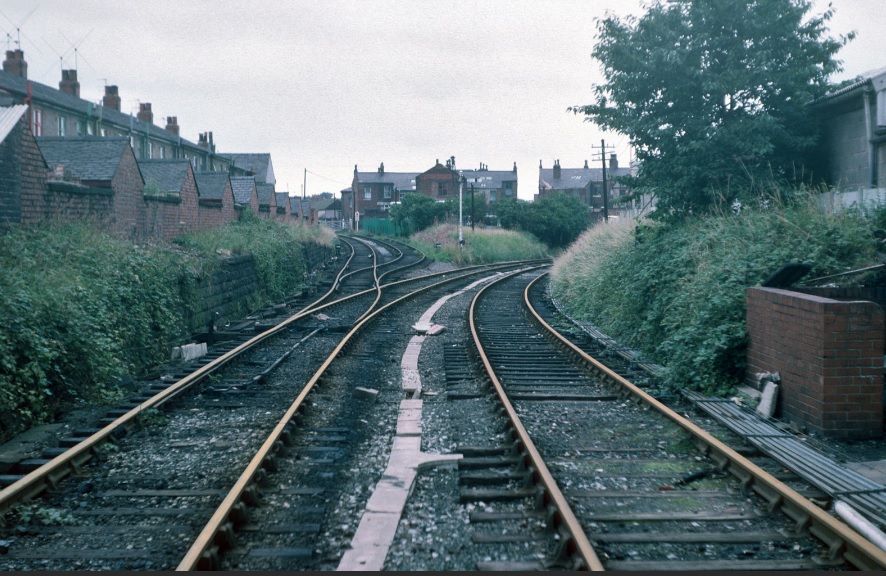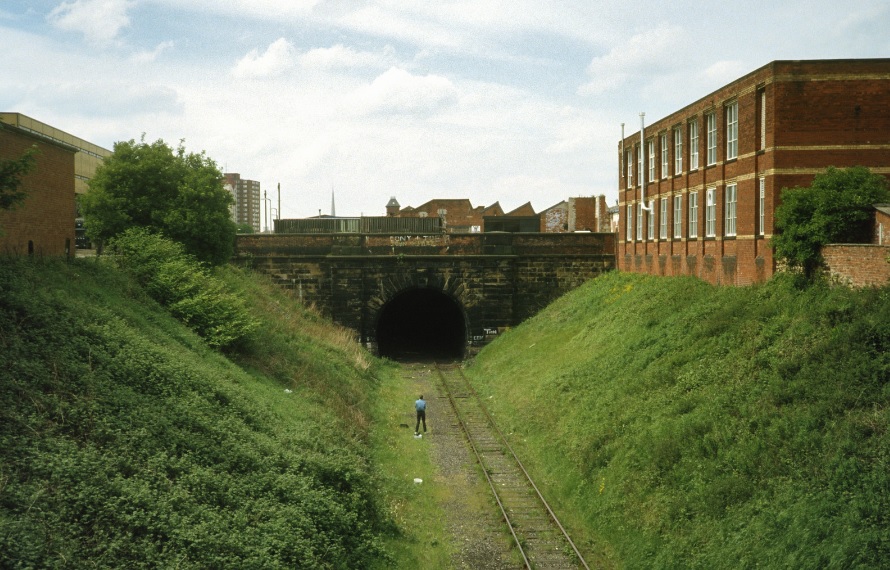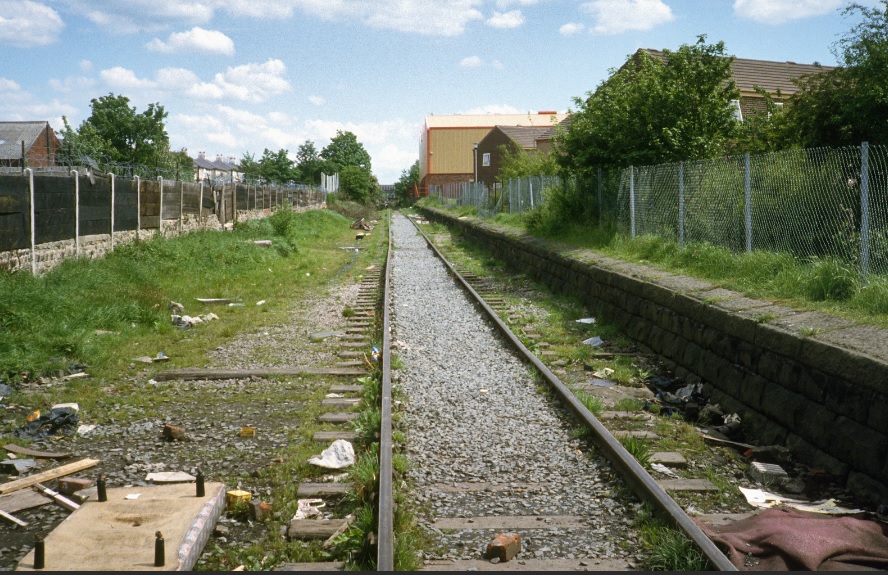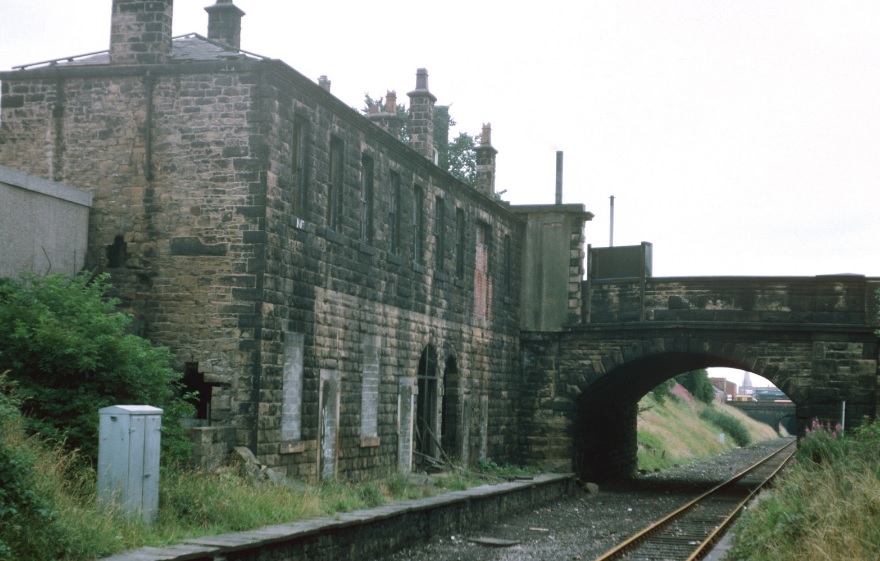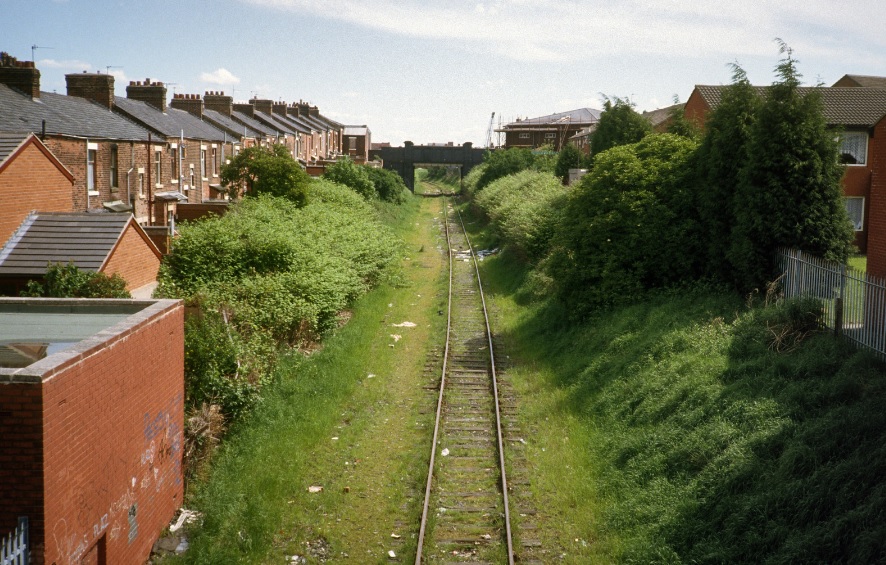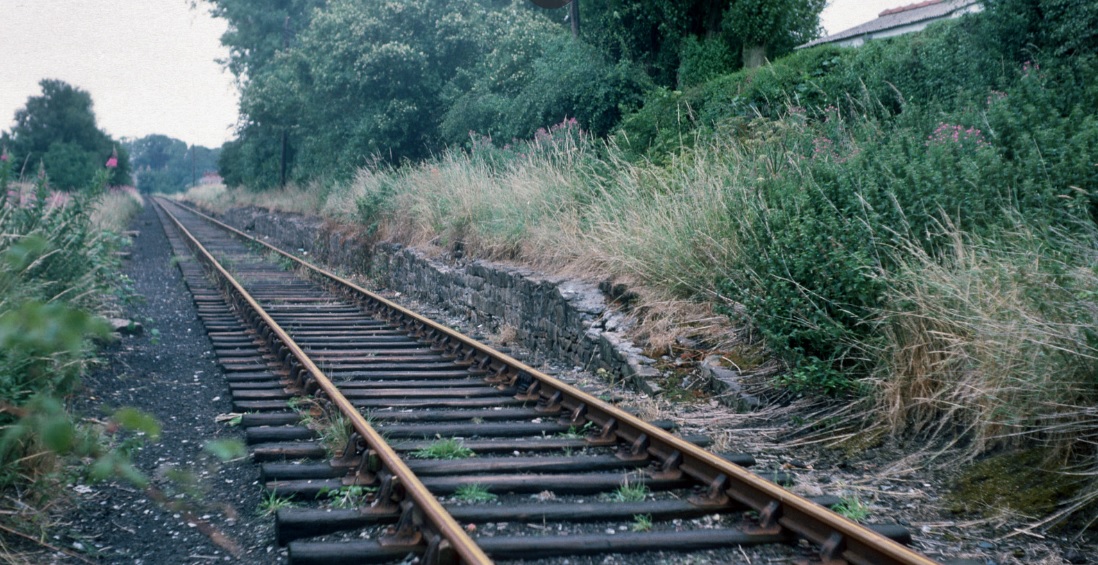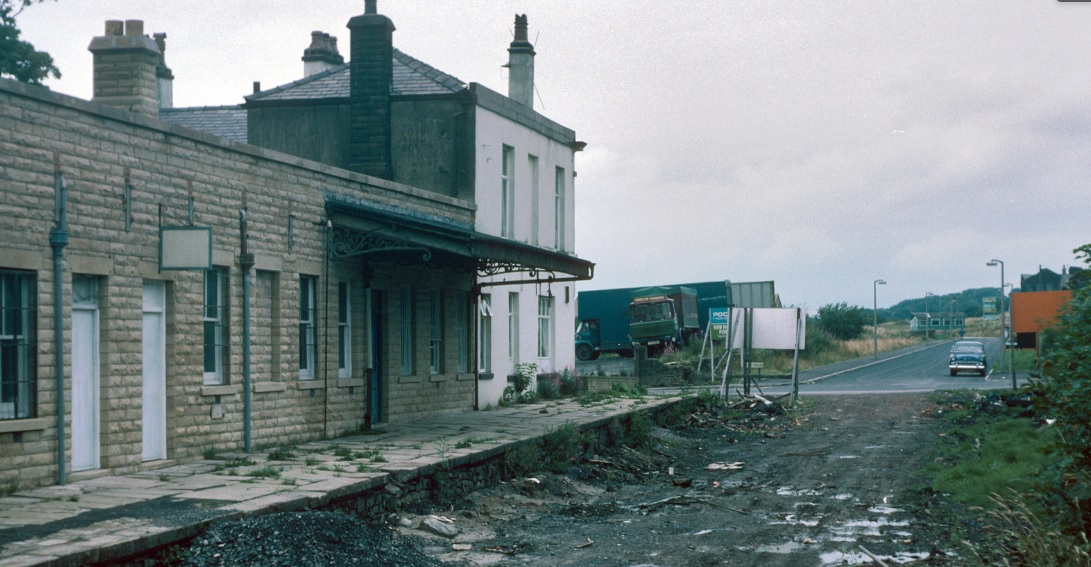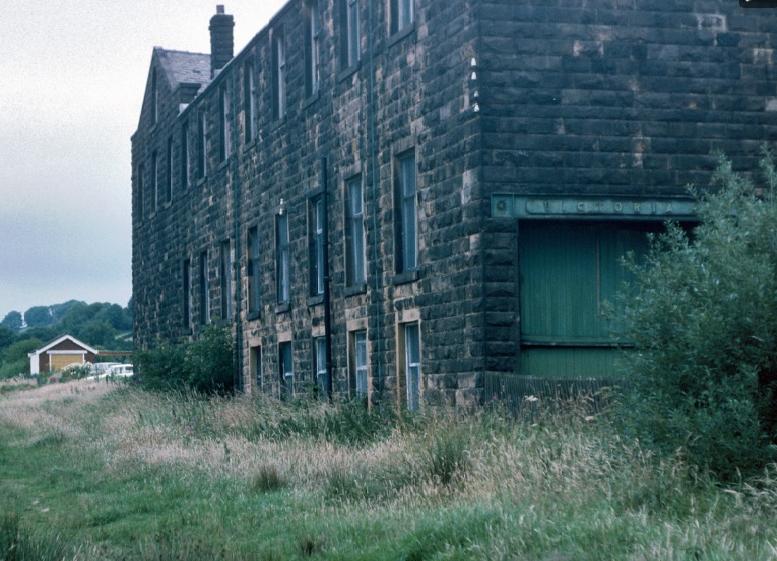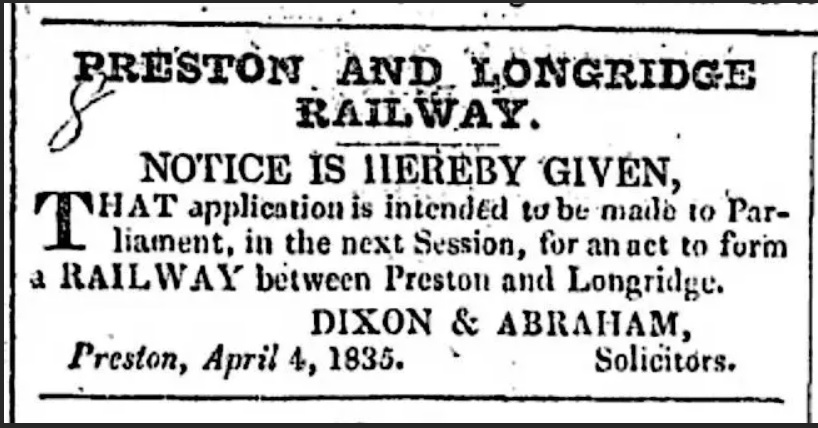
The Preston and Longridge Railway was built as a branch line and was originally designed to carry quarried stone in horse-drawn wagons. The company was set up to build a tramway linking the newly-opened Tootle Heights Quarry in Longridge to Preston and opened in 1840.
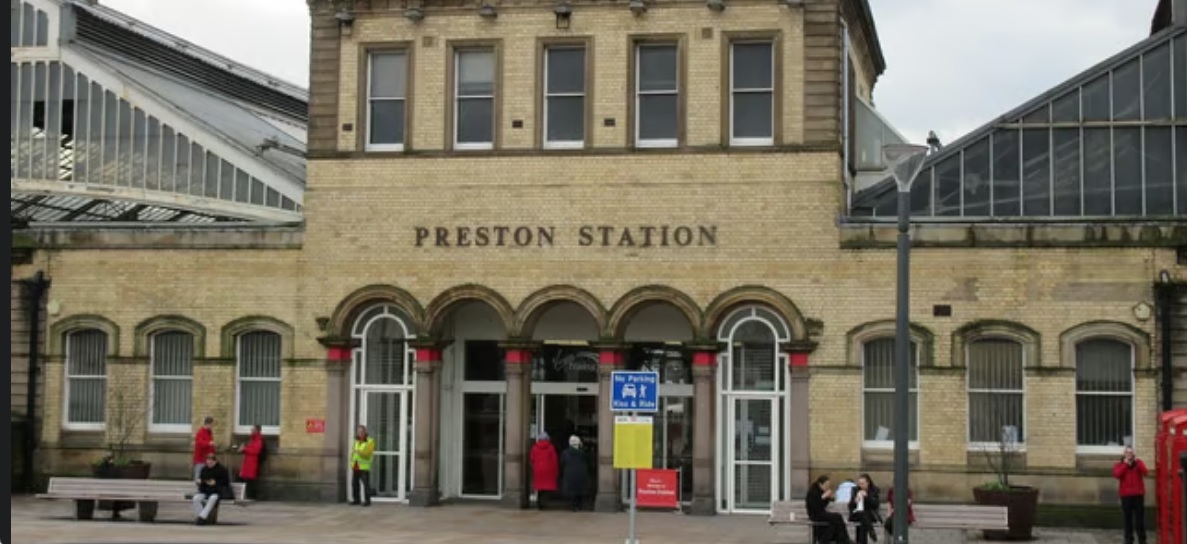
Preston Central Railway station was formally opened in July 1880, and was erected by Messrs. Cooper and Tullis. The Preston Central railway station was shared between the London and North Western and the Lancashire and Yorkshire railway companies. The new station, costing £250,000, was described at the time as one of the finest in existence. It was built between Butler Street and Charles Street with its front facing Fishergate and included a much needed bridge on Fishergate. It incorporated six lines running through the station onto the platforms and on the western side four sets of rails for goods trains and shunting purposes
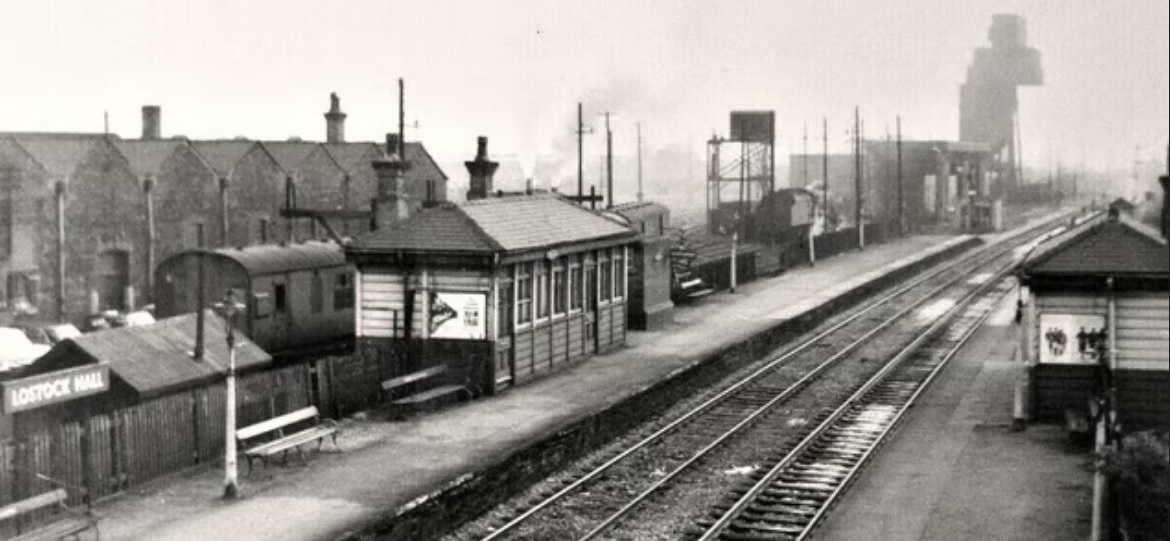
This image was taken around 1964 and shows the old Lostock Hall station. It was opened in 1846 and the last trains departed in October 1969. At that time the through trains from Blackburn and Liverpool no longer stopped there and other services on the Ormskirk line were routed via the Farington Curve Junction
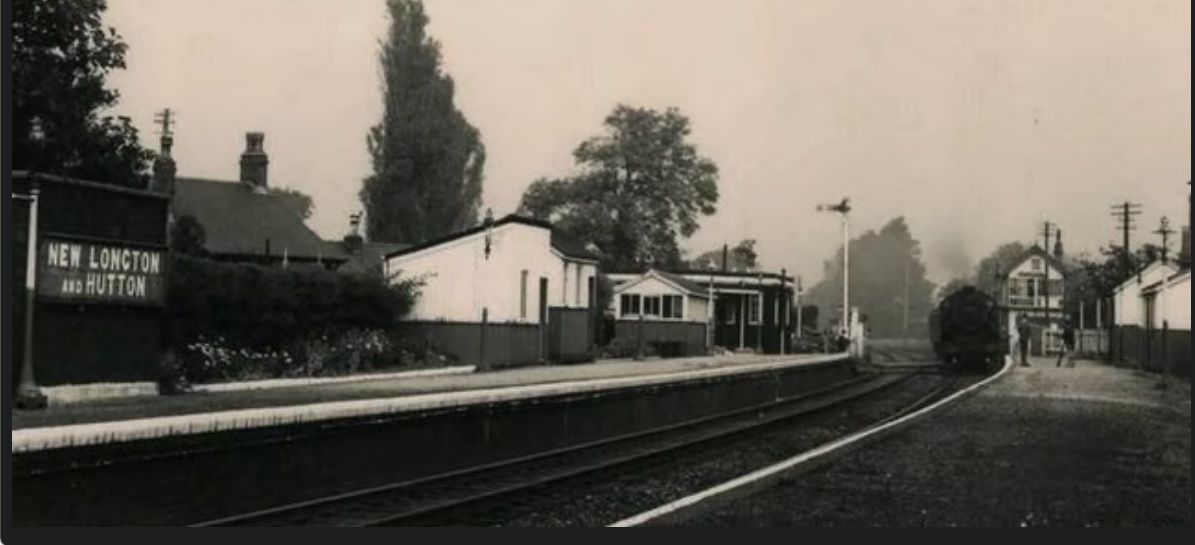
If your journey from Preston was to the south east there was a railway station at Howick, which opened in June 1889, and following the takeover of the West Lancashire Railway by the Lancashire and Yorkshire railway it was, in December 1897, given the name Hutton and Howick. Gradually, the area around the station grew into New Longton and it became known as New Longton and Hutton station in October 1934
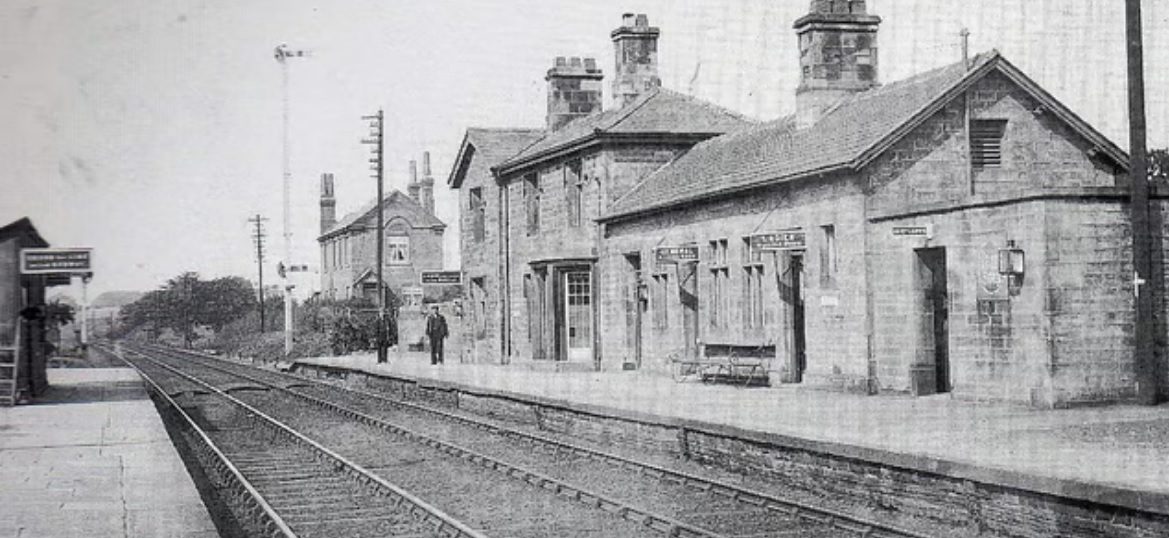
On the outskirts of town in the more rural areas there were plenty other railway stations from where you could board a train to Preston or further afield. If you wanted to travel to the north on what would become the West Coast main line there was the Bay Horse station, pictured here, before you reached Galgate
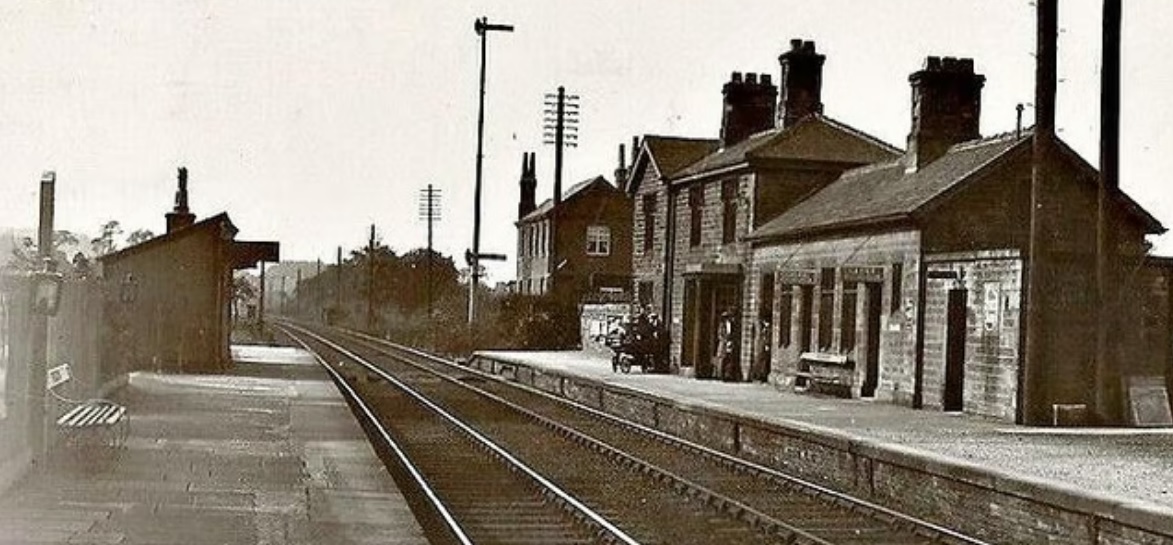
Here's another picture showing the Bay Horse railway station which was one of the stops on the way north to Lancaster or back down south to Preston. The Bay Horse station closed to passengers in June 1960 and to freight traffic in 1964
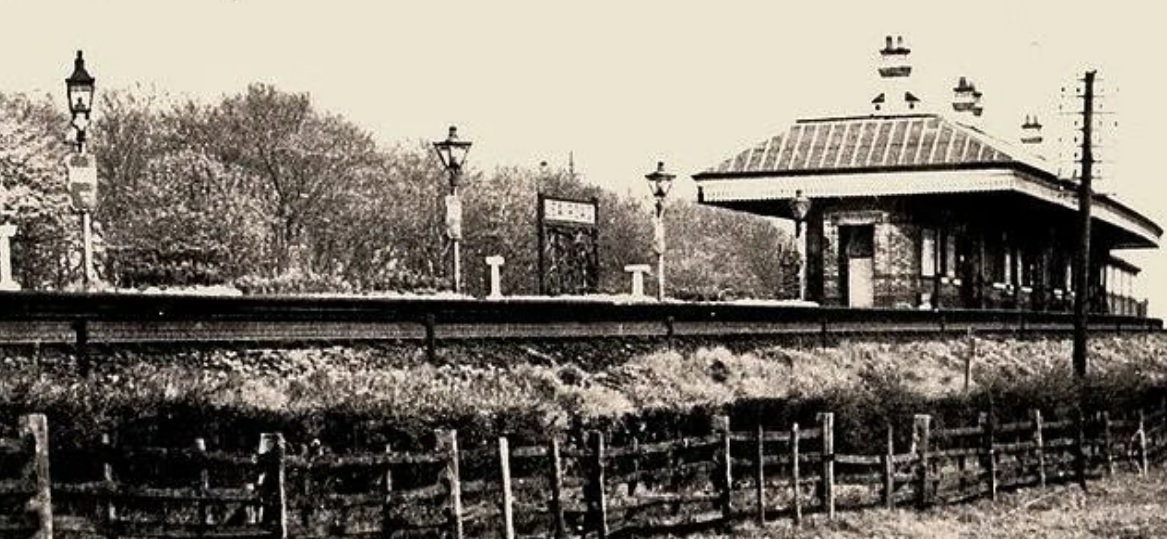
The opening of the Preston and Wyre Railway meant that three times a day travellers to Blackpool could board a train at Preston, alight at Poulton and take a horse drawn conveyance to the heart of Blackpool. That railway provided two local railway stations - one of which was this one - the Lea Road station, opened in 1842 and closed in early May 1938
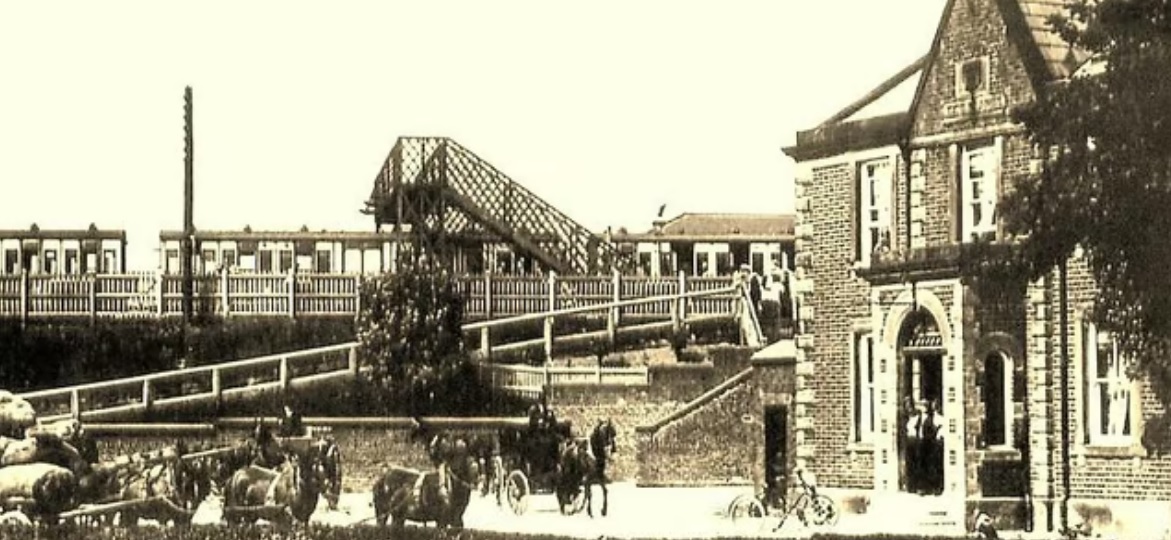
Travel to the north could be made along the West Coast main line and there were many stops catering this line. One of which was this one - the Garstang and Catterall railway station. It opened in June 1840, initially on the Lancaster and Preston junction railway, and it became the interchange station for the Garstang to Knott End railway
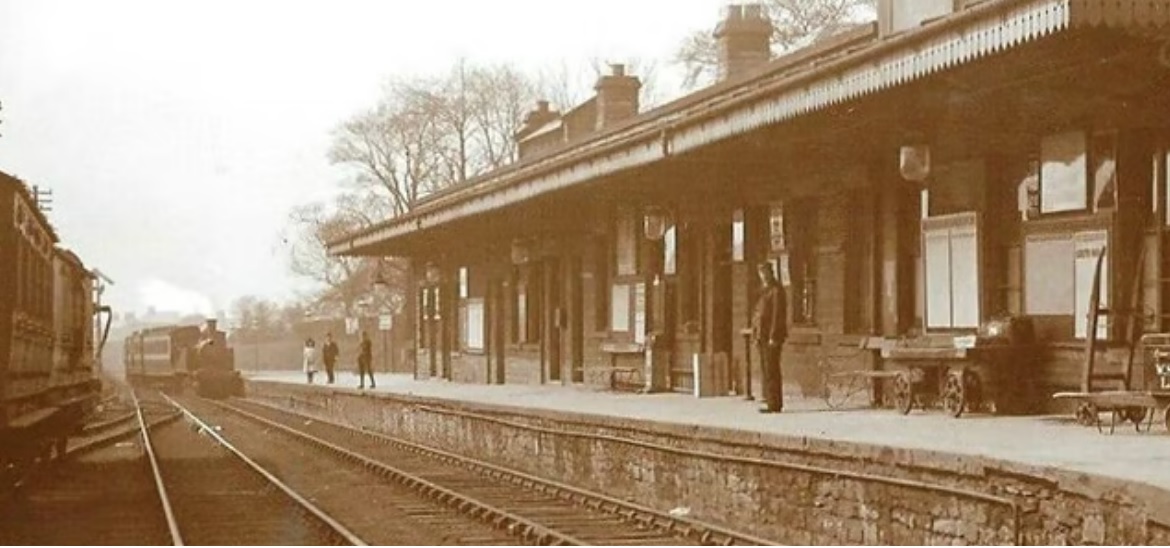
The Longridge railway line opened in 1840 and was served by this railway station. Along the route to Longridge were many stations, terminating at this one. The Preston – Longridge line closed to passenger traffic in 1930 but a service to Whittingham continued until 1957. You can just about make out the steam train coming into the station
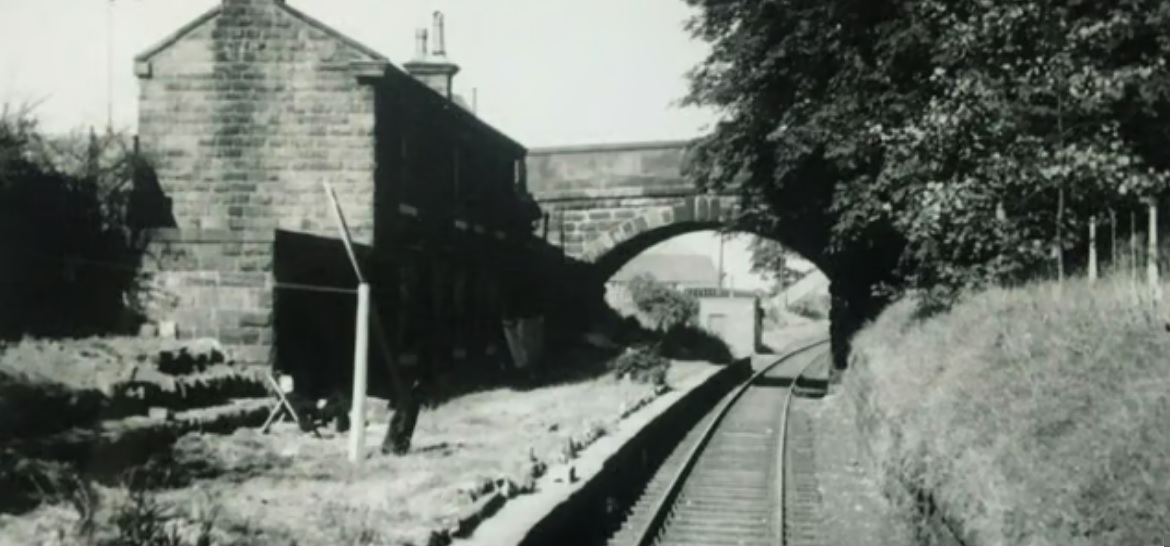
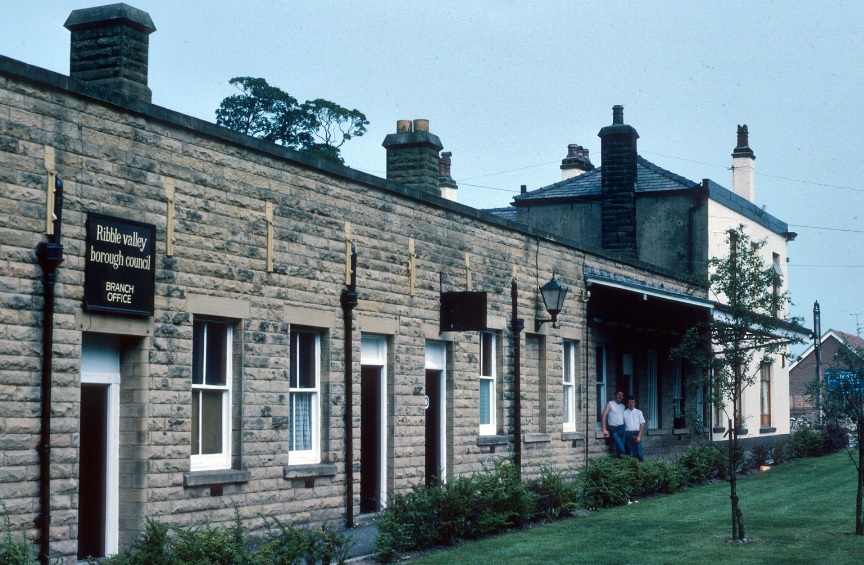
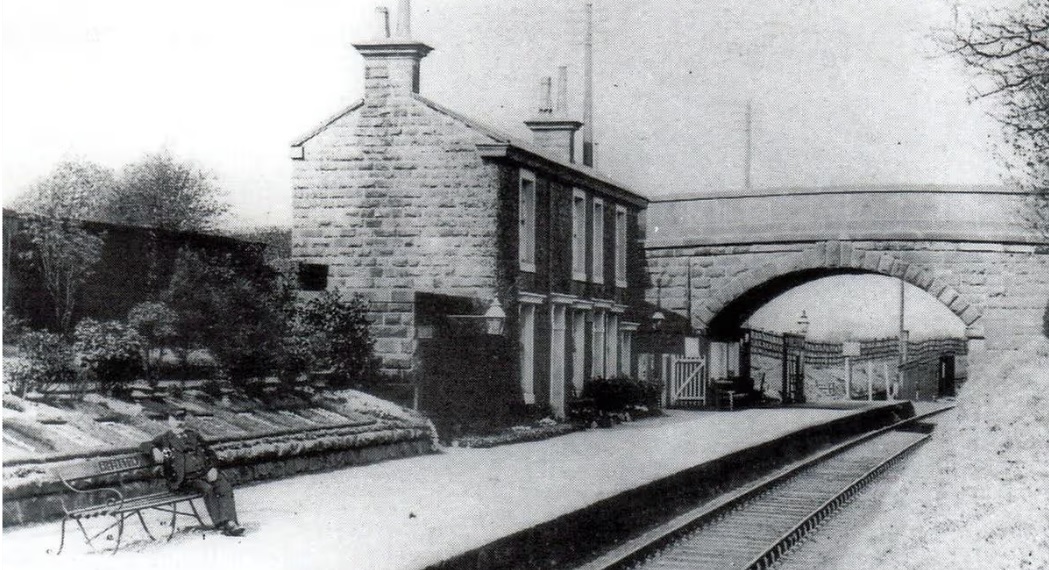
Still on the Preston - Longridge line you may have passed this station by or even got on or off here. It is the Ribbleton railway station - originally called the Gammull Lane station and opened in 1854.A station at Gammull Lane in Ribbleton opened in 1854 and was originally, and wrongly, called Gammer Lane. Two years later, the line was bought by the Fleetwood, Preston and West Riding Junction Railway and the station was renamed Fulwood Station.
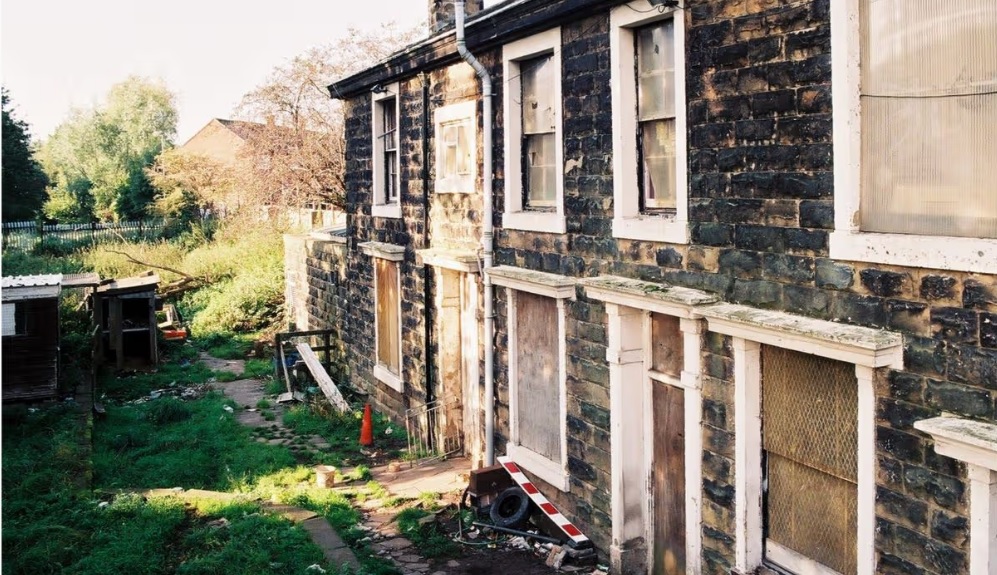
Between 1863 and 1866 there was another short-lived station called Ribbleton, closer to Preston. It was not until 1900 that Fulwood Station was finally renamed Ribbleton Station. The station closed to passengers services in 1930. Although almost a century has passed since passengers stepped foot on the platform the old stationmaster's house and booking office remains. Historic England described the property as "an Interesting example of small country station building" when it was Grade II listed in 1991.
The building was used as a private dwelling until relatively recently and in 2021 it was bought by Preston Trampower with the intention of using sections of it for the proposed Guild Line tramway. However, the company's last 'news' was published on its website in 2016, and no progress has been made on the project.
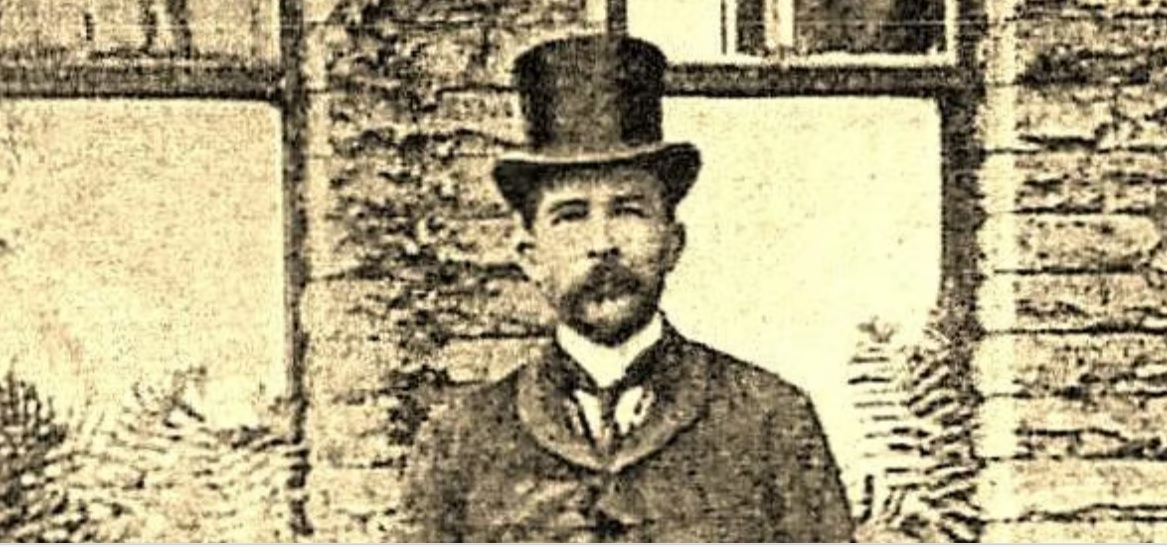
Mr Bridson who was the station master in around 1895 at Preston Central Railway Station
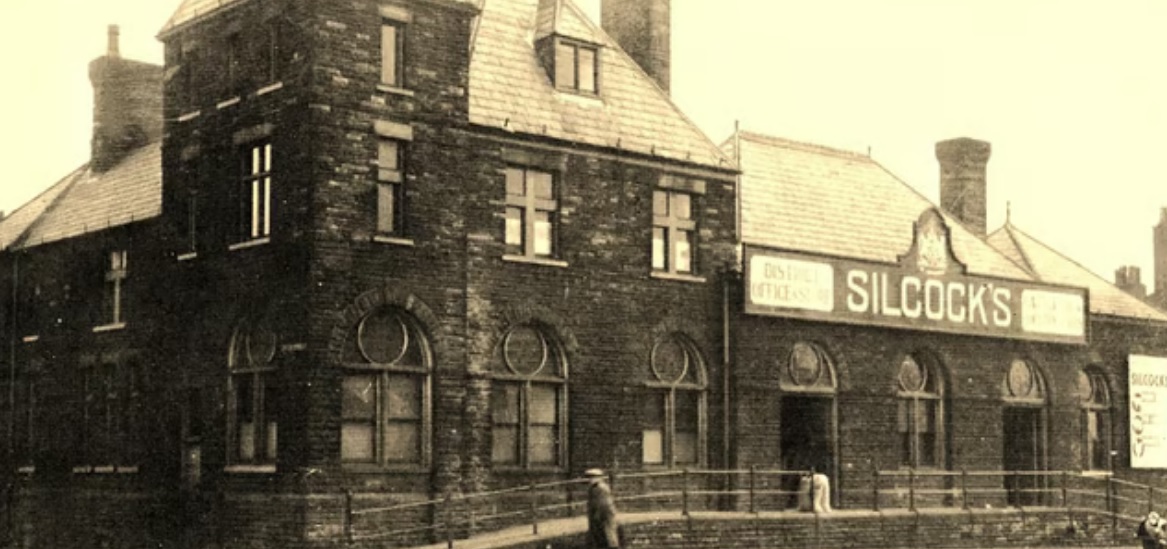
The Fishergate Hill station of the West Lancashire Railway was situated at the bottom of the hill. These days you can still trace the route and see the stone pillars of the railway line over the river Ribble, but there is little indication that the station itself ever existed. From its opening in 1882, it was until 1900, when the West Lancashire Railway became part of Lancashire and Yorkshire, the passenger terminus for West Lancashire Railway. From then it stayed open mainly for goods traffic until early in 1965, although it was also used during the Preston Guild years as an overspill station for the extra visitors. It was demolished circa 1978
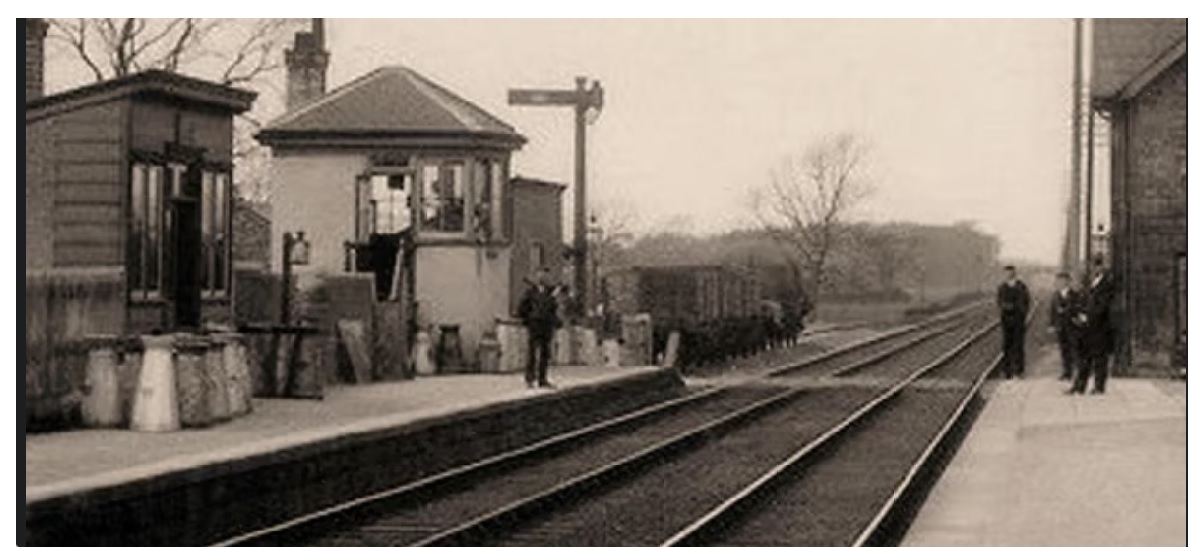
Travelling north on the West Coast railway line you would pass this station at Brock. The station opened in 1849 and was eventually closed in 1939
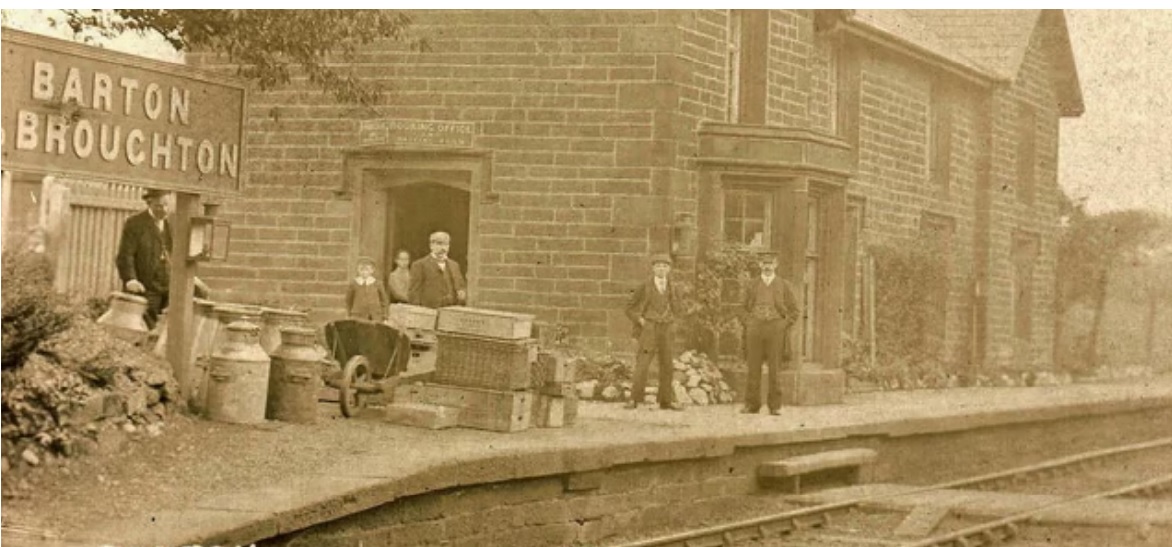
There was some disappointment expressed in May 1939 when it was announced that passenger trains would no longer stop at Brock, Barton and Broughton (seen in this picture), Scorton or Galgate due to falling passenger numbers as the trains sped through to Lancaster and beyond. Barton and Broughton railway station opened in 1840
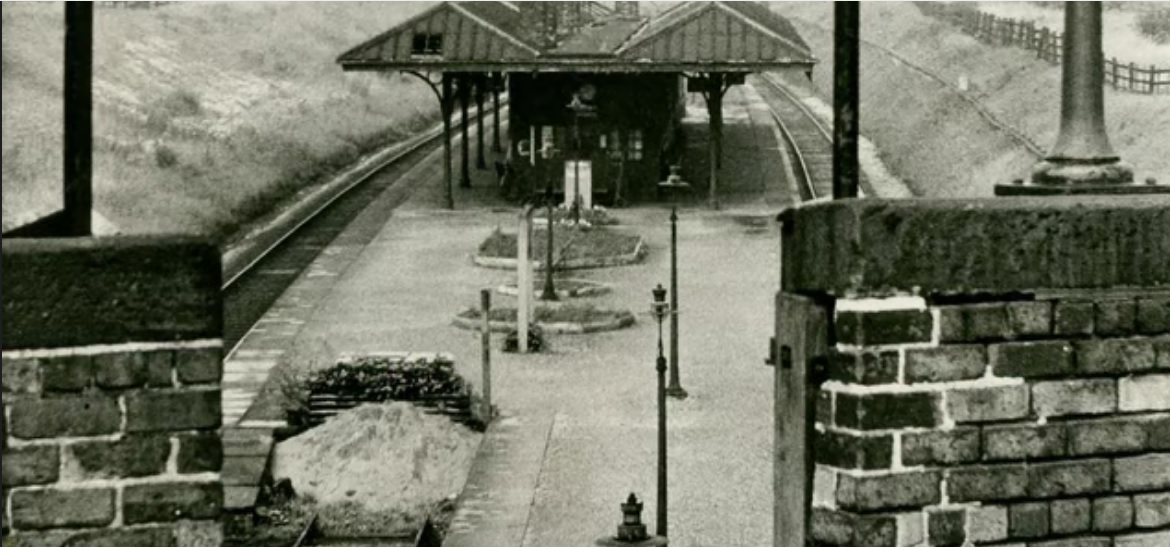
In this image of Todd Lane Junction from 1965 you can see down the steps onto the platform below. The Todd Lane Junction station, until 1952 called Preston Junction, was between Preston and Bamber Bridge and closed to passenger traffic in October 1968, although it was used for freight until 1972
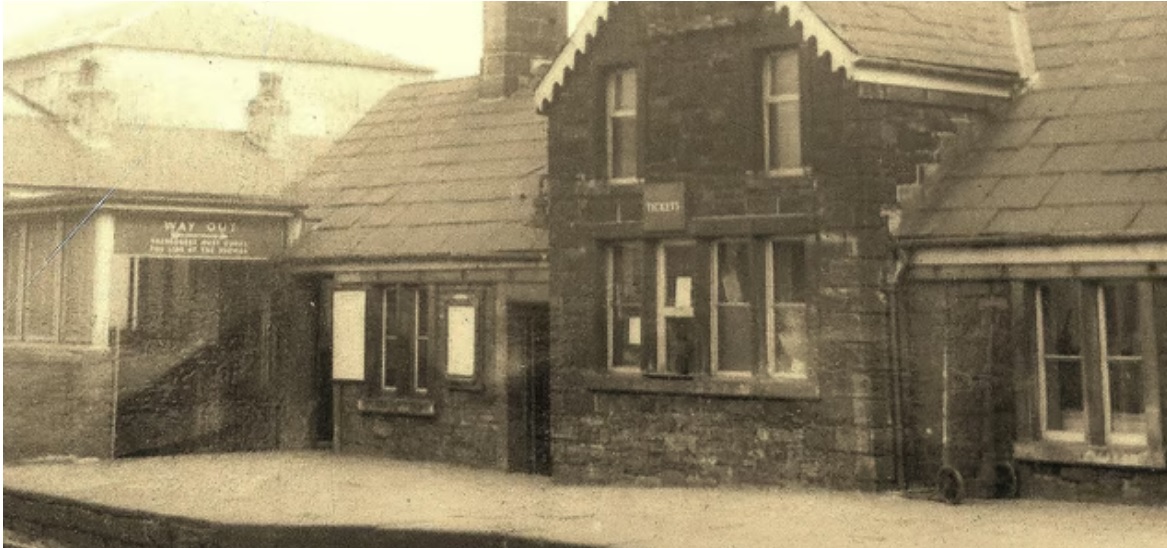
The Bamber Bridge station, of 1846 origins, although affected by the Beeching cuts of 1963, still maintained its original route from Preston through Lostock Hall and these days upwards of 80,000 passengers each year have been hopping on or off the trains there. It may look a little different now to how it does here in this image.
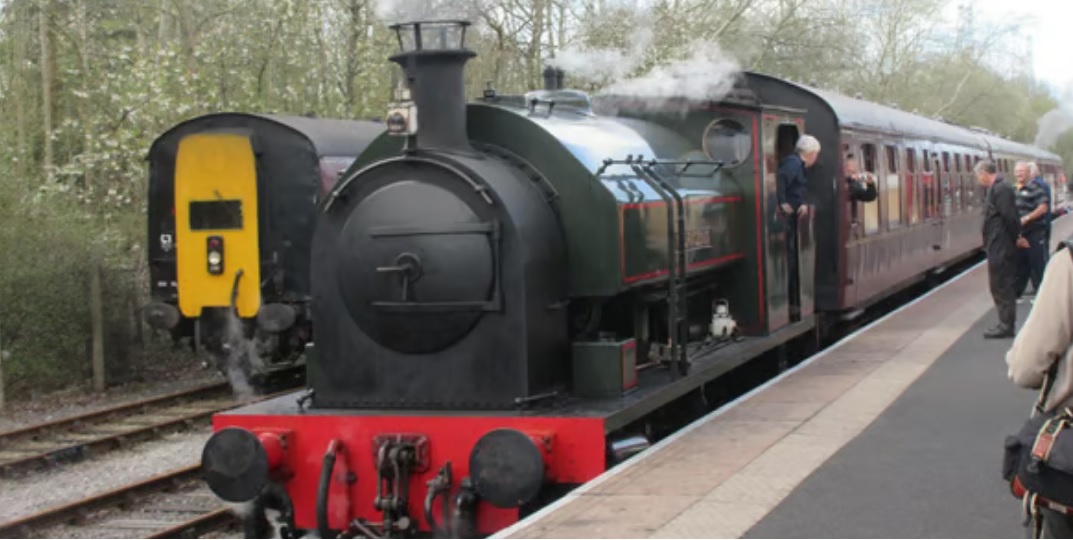
Although this image doesn't show a forgotten Lancashire railway station, it does show a steam engine from that long lost era of travel. It can be found at the Ribble Steam Railway and Museum which is dedicated to heritage rail travel. The railway began by housing much of the collection from the previously closed Southport Railway Museum (Steamport), which was based in the old Lancashire and Yorkshire Railway engine shed at Southport