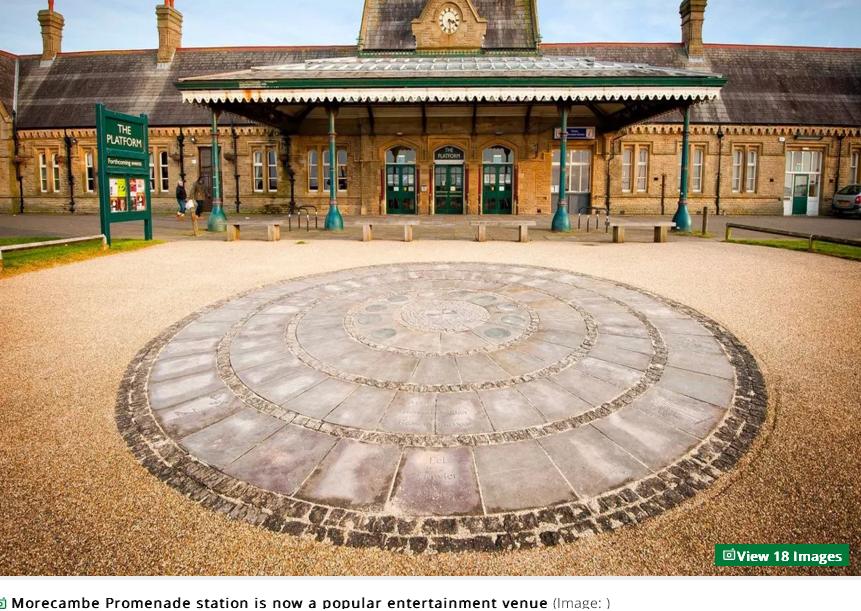
Meanwhile, certain sites have been transformed into walkways for ramblers, such as the former line to Padiham station which became the Padiham Greenway, reports Lancs Live. Numerous former station locations have been turned into residential developments, whilst one ex-station has been transformed into a public house and entertainment complex.Below are just a few of the abandoned stations scattered throughout Lancashire.
Brock Railway Station
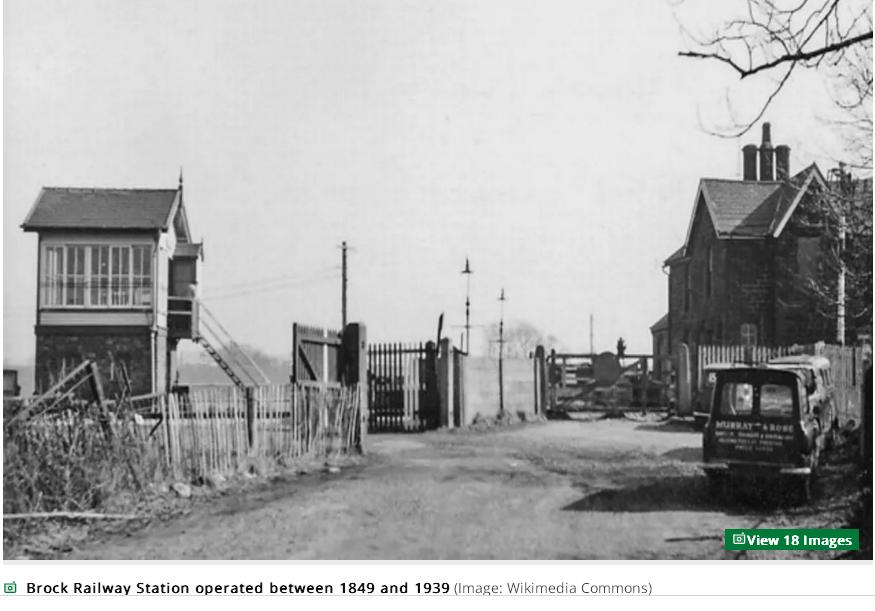
Serving the hamlet of Brock near Bilsborrow, the Brock Railway Station operated between 1849 and 1939 on the renowned Lancaster and Preston Junction Railway line. The station opened in August 1849 and closed for passengers on May 1, 1939, and for freight in 1954. Apart from ferrying passengers, it’s believed the train also carried local farmers’ milk to town in the morning and brought back the empty churns later in the day. To the west of the station was a siding and underneath the platforms ran the River Brock. The site of the demolished stationmaster's house and a terrace of four railway cottages has since been preserved and transformed into a nature reserve, protected by the Fields in Trust charity. The stone from the stationmaster’s house has also been re-used in the surrounding area. Jane Salisbury of Myerscough Hall was killed on the station’s level crossing in 1922. The crossing has since been replaced by a pedestrian bridge. Jane left behind money to found St Hilda’s Parish Church in Bilsborrow which is the last stone-built church in the entire region, having been consecrated in 1927.
Fishergate Hill Station
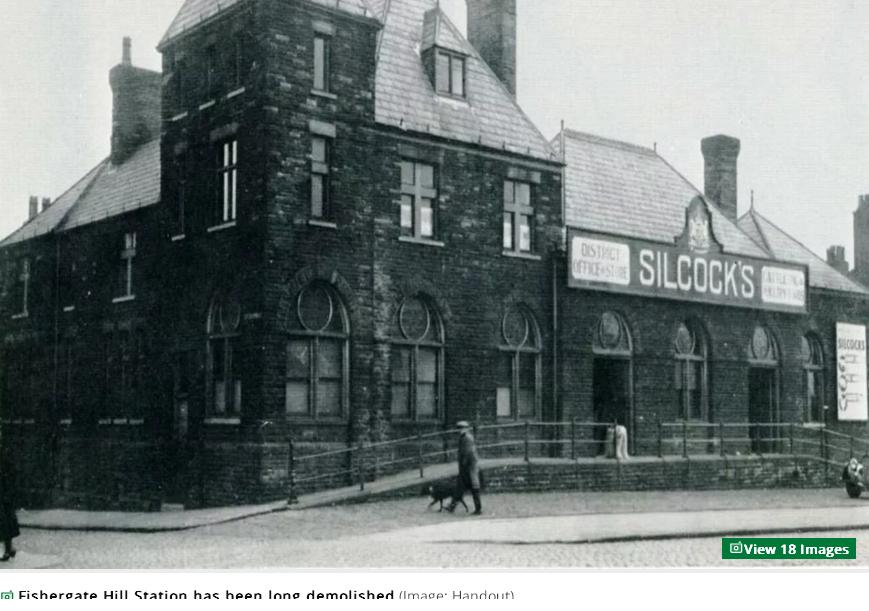
Fishergate Hill Station, also known as Preston West Lancashire Station, sat at the bottom of Fishergate Hill in Preston. Forming the northeastern terminus of the West Lancashire Railway, the station provided a direct railway link between Preston and Southport. It became operational on September 15, 1882 and closed to passengers on July 16, 1900, when the West Lancashire Railway was absorbed by its rival — Lancashire and Yorkshire Railway. However, the station remained open for goods traffic until January 25, 1965, and also saw occasional passenger specials during the Preston Guild which is held every 20 years. Fishergate Hill Station was designed by Charles Henry Driver. For several years, after the station was closed to passengers, its premises were used as offices. Now, housing occupies the site, with the station having long been demolished.
Lea Road Railway Station
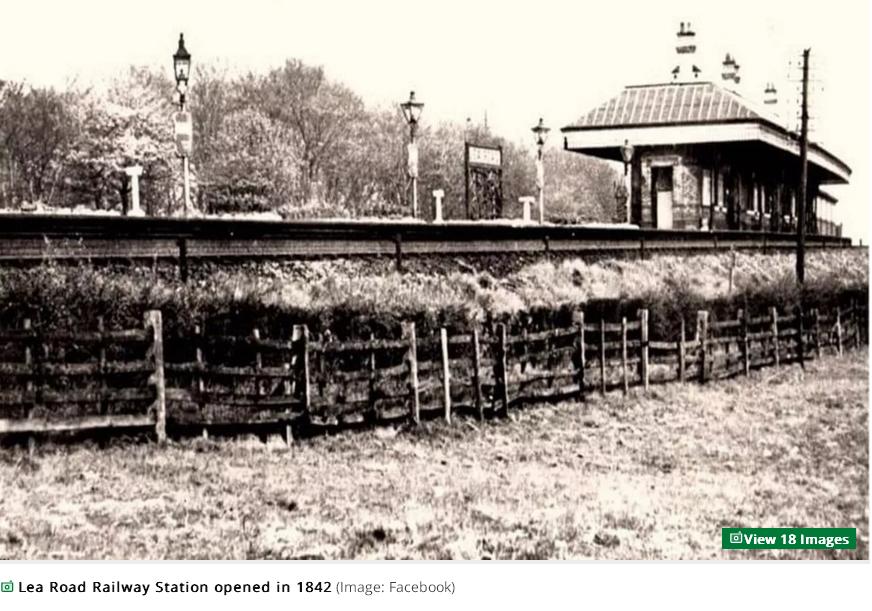
On the Preston and Wyre Joint Railway line in the parish of Lea and Cottam in Preston, this railway station became functional in 1842 and closed on May 2, 1938. Lea Road Station was situated just adjacent to the site of the proposed Cottam Railway Station and was built to identical designs as the next station to the west — Salwick. However, Lea Road had to be accessed by a ramp which led up from an arched entrance below the bridge which carried the formation over Lea Road, whereas Salwick was — and still is — reached by a ramp leading down from an adjacent road over bridge. The only surviving evidence of the station’s existence are the now-sealed brick arches below the formation on Lea Road, which once provided access to the island platforms.
Garstang and Catterall Railway Station
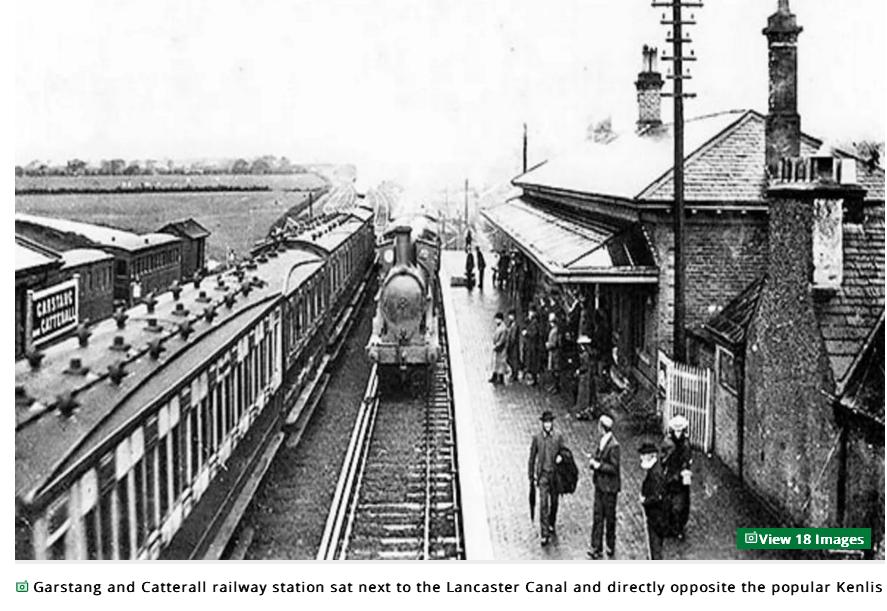
Garstang and Catterall railway station once served as the interchange between the Garstang and Knot-End Railway and the London and North Western Railway in Lancashire. Located in the parish of Barnacre-with-Bonds, near the village of Catterall, the station sat next to the Lancaster Canal and directly opposite the popular Kenlis Arms pub. It was situated on the Lancaster and Preston Junction Railway — now part of the West Coast Main Line — between Preston and Lancaster. The station opened on June 26, 1840, originally named simply Garstang Station and was the last station on the line between Preston and Lancaster to close, ceasing operations on February 3, 1969.
Bay Horse Station
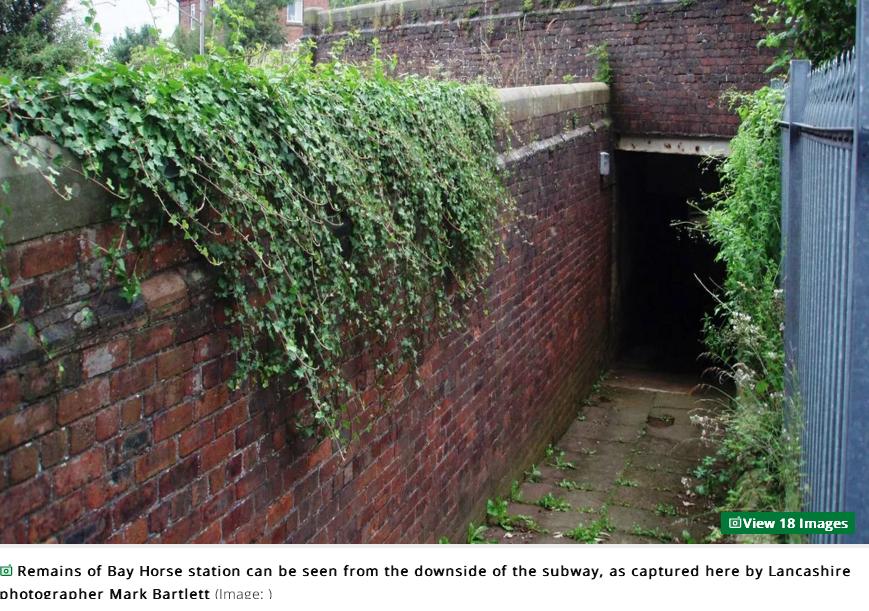
Bay Horse station, a rural stop on the Lancaster and Preston Junction Railway, opened its doors in 1840. It was one of many stations on the West Coast Main Line between Lancaster and Preston to close in the 1960s. From the entrance of Bay Horse subway, remnants of the old station house can still be seen where the station once stood, along with remains of the old platform wall, as captured by Lancashire photographer Mark Bartlett.
Ribbleton Railway Station
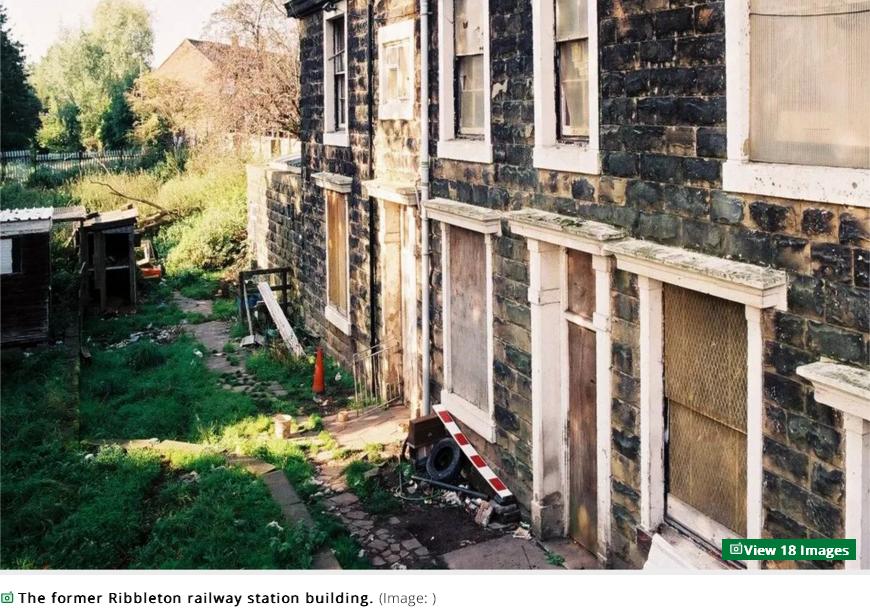
Upon its opening in 1854, the station was originally called Gammer Lane, which appears to be a misspelling of Gamull Lane where the station was situated. Two years later, the line was purchased by the Fleetwood, Preston and West Riding Junction Railway and the station was renamed Fulwood Station. Between 1863 and 1866, there was a brief existence of another station named Ribbleton, situated closer to Preston. It wasn't until the turn of the century in 1900 that Fulwood Station was officially renamed as Ribbleton Station. The station, along with the line, ceased operations for passengers in 1930. Goods trains continued to utilise the line through the station until 1980. The station building remains intact, now serving as a private residence, with the former trackbed running through its garden.
Padiham Railway Station
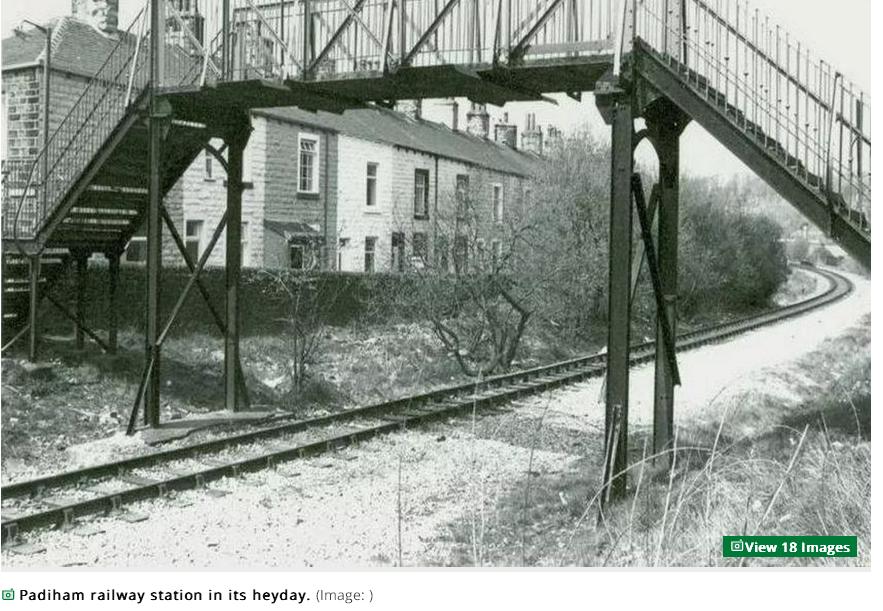
The railway line connecting Padiham and Rose Grove was inaugurated in 1875. It ceased operations on December 2, 1957, and the station was subsequently demolished. The railway stretch from Burnley to Simonstone remained operational for the continuous delivery of coal to Padiham power station until the power station's closure in 1993. In 2005, Lancashire County Council embarked on a project to transform part of the line into a footpath known as Padiham Greenway. Officially opened on June 24, 2010, it is still referred to by locals as the old railway.
Morecambe Branch Line
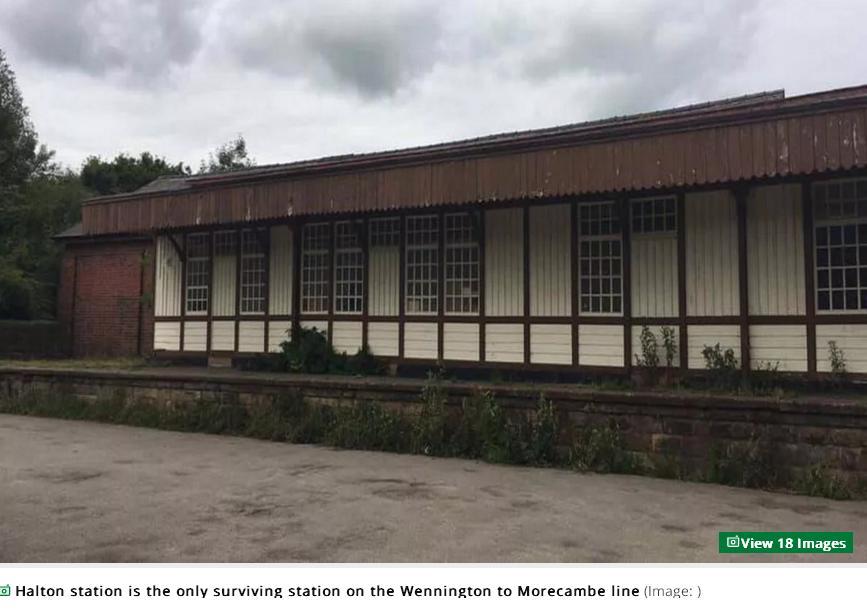
The route between Wennington and Morecambe via Green Ayre fell victim to the Beeching Axe and shut in January 1966. Halton station remains the sole surviving station from that line, and is currently utilised as a storage facility for Lancaster university's rowing team, whilst the track bed has been transformed into a car park. A public park exists at the location of the former Lancaster Green Ayre Station, where previous tracks have been transformed into cycle or foot paths. The Greyhound bridge, which previously carried traditional steam trains and locomotives, was transformed for use by the A589 road from 1972.
Grimsargh Railway Station
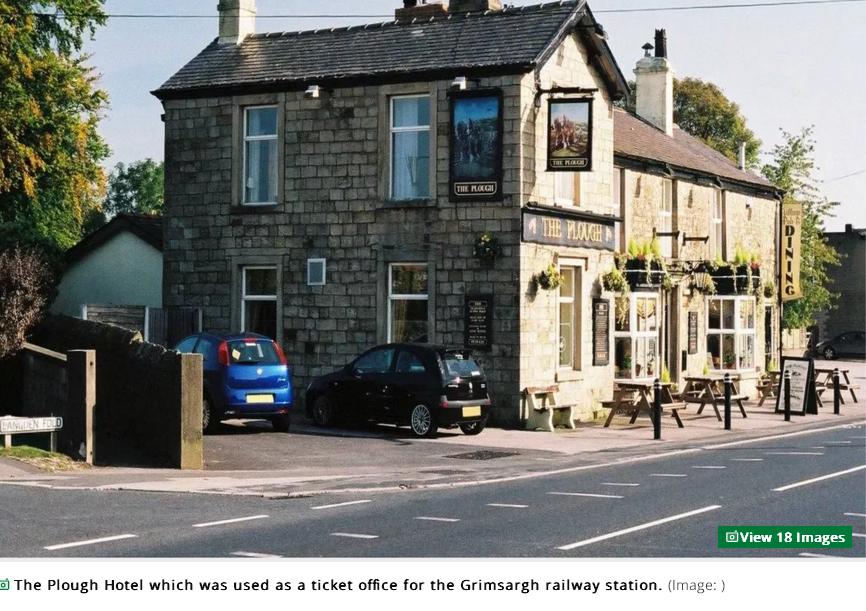
Situated on the single-track Preston and Longridge Railway, this station provided services to Grimsargh village upon opening in 1840. Throughout the mid-19th century, wagons transporting quarried stone travelled downhill from Longridge to Preston and were hauled in the opposite direction by horses. The Plough Hotel nearby served as a booking office until 1870 when a proper station building was erected, with the line jointly operated by the Lancashire and Yorkshire Railway and the London and North Western Railway. Goods service on the Longridge line was finally discontinued in 1967. The station buildings were demolished in the late 1970s and replaced with houses that followed the layout of the former station buildings, with the Plough Hotel still standing opposite these residences.
Poulton and Wyre Railway Line
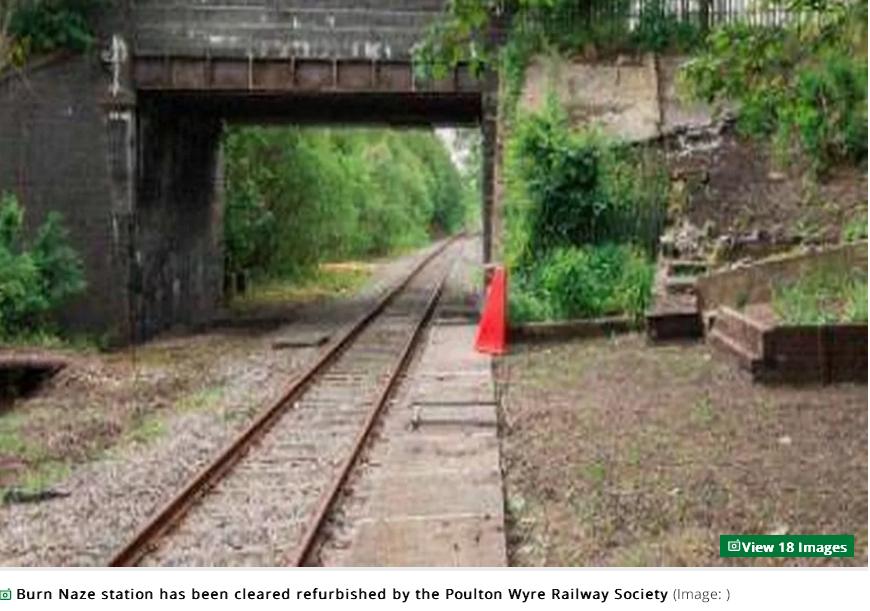
The route between Poulton and Fleetwood on the Poulton and Wyre Railway line was among the first to be decommissioned. This led to the closure of two stations, at Burn Naze and Thornton. In 2006, the Poulton and Wyre Railway Society (PWRS) was established as a campaign group advocating for the reopening of the line and the stations.Significant progress has already been made in clearing the station and the lines, which had become overrun with weeds and litter.
Thornton Station
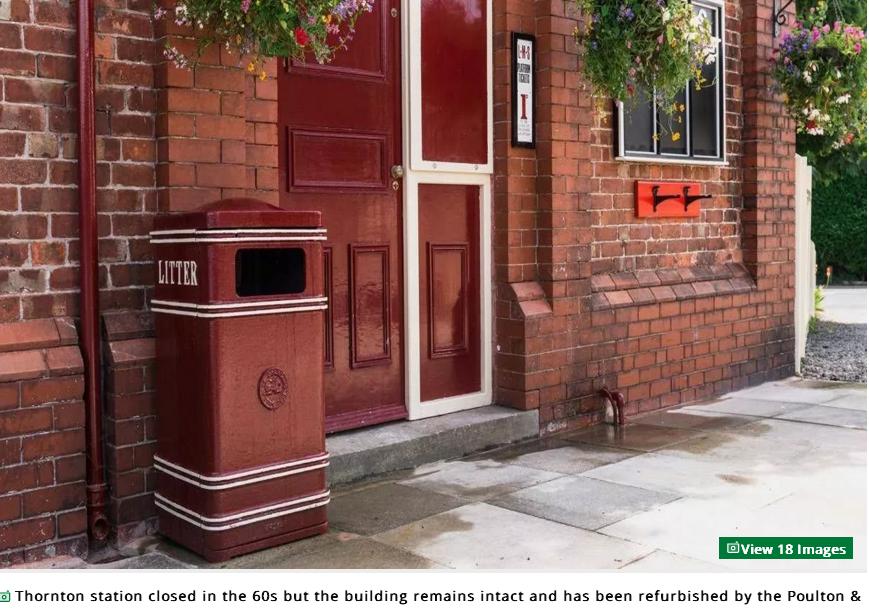
The Thornton Station ticket office has also received a fresh coat of paint and renovation, courtesy of an anonymous donation to the PWRS. The organisation has even resurfaced the platforms in hopes of securing a lease from Network Rail to run trains there as a community railway. A section of the abandoned track bed has also been transformed into the Wyre Way footpath.
Wennington Station
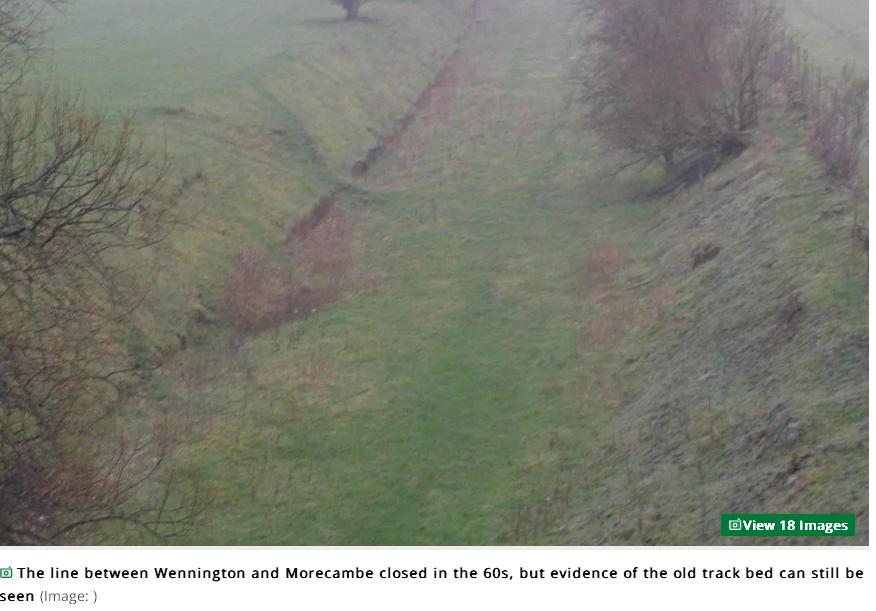
Wennington Station, once a bustling junction where trains for Carnforth and Barrow branched off the line to Lancaster and Morecambe, is now but a shadow of its former self. The direct line to Lancaster was closed in 1965, with Leeds and Morecambe trains now running via Carnforth. The original station building has been replaced by shelters, and the old track bed to Lancaster can be clearly seen from the road bridge just west of the station.
Melling Station
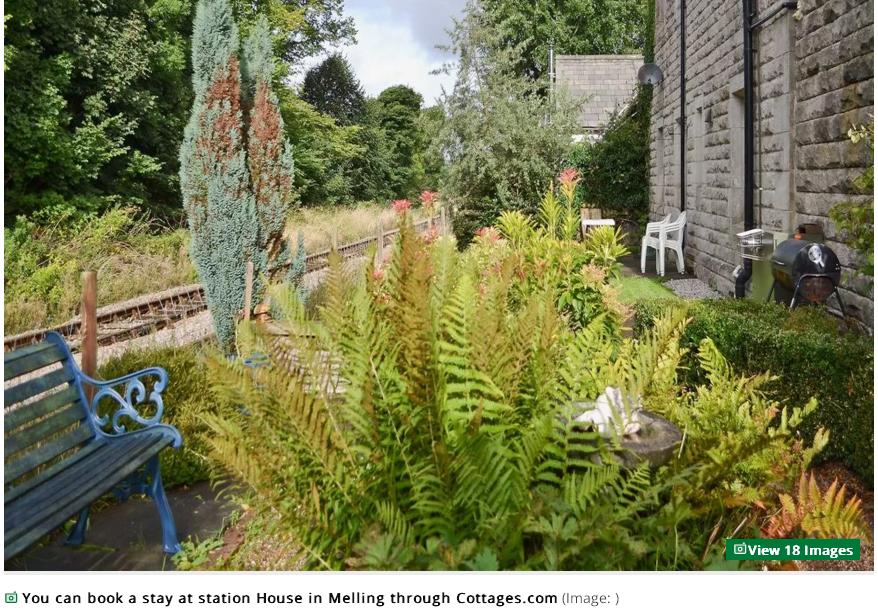
Melling railway station, which closed its doors in 1960, has been beautifully transformed into a holiday home. Nestled in the heart of Lune Valley, Station House cottage is just a stone's throw away from Kirby Londonderry, with the back garden offering views of the railway line to Morecambe. Simon Law, Vice President of Cottages.com, suggests that a stay at the cottage provides a 'fascinating way to experience Lancashire's forgotten railway ', and noted that railway-themed holidays are becoming increasingly popular.
Maudland Bridge Railway Station
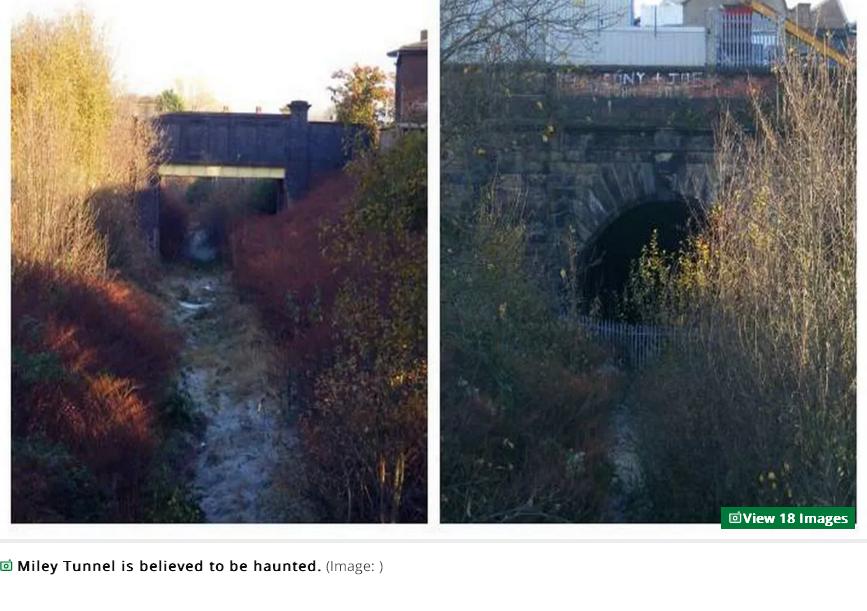
In 1850, the Fleetwood, Preston and West Riding Junction Railway (FPandWRR) constructed the 788-metre Miley Tunnel to link two existing lines, the Preston and Longridge Railway at Deepdale, and the Preston and Wyre Joint Railway (PandWR) at Maudland. Despite passenger services through Maudland Bridge station ceasing in 1930, the line continued to be used for goods until the 1990s. The tracks, now rusty and overgrown, remain in place. The disused Miley Tunnel is still standing today and has become a source of ghost stories due to rumours that it's haunted.
Morecambe Promenade Station
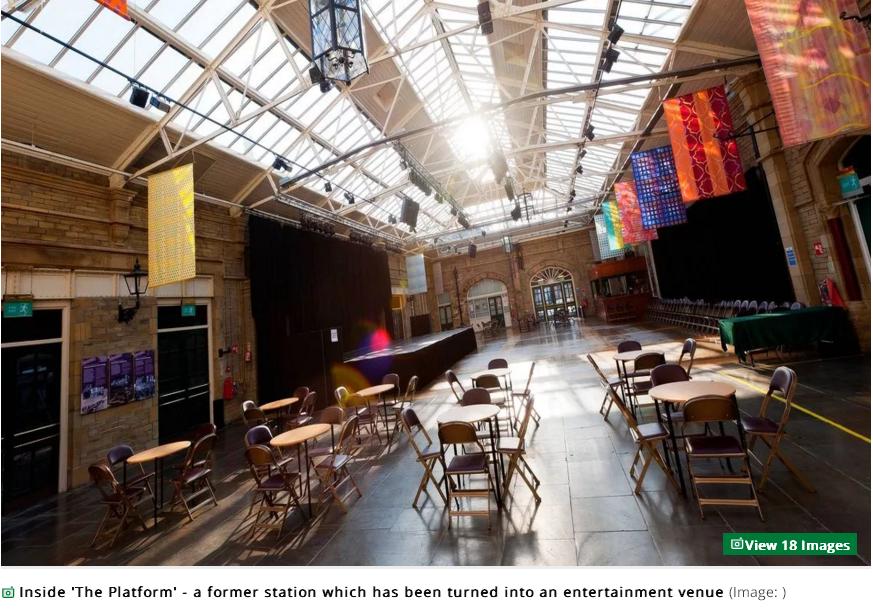
Morecambe Promenade survived the Beeching axe, but by the late 1980s, tourism to the area was declining and in 1993 a decision was taken to close the station and replace it with a new one further inland. The former station remains intact, however, and has reopened as a live entertainment venue and restaurant called "The Platform”. The station building has been restored to resemble its original appearance and has won a number of design awards.
West Lancashire Railway Line
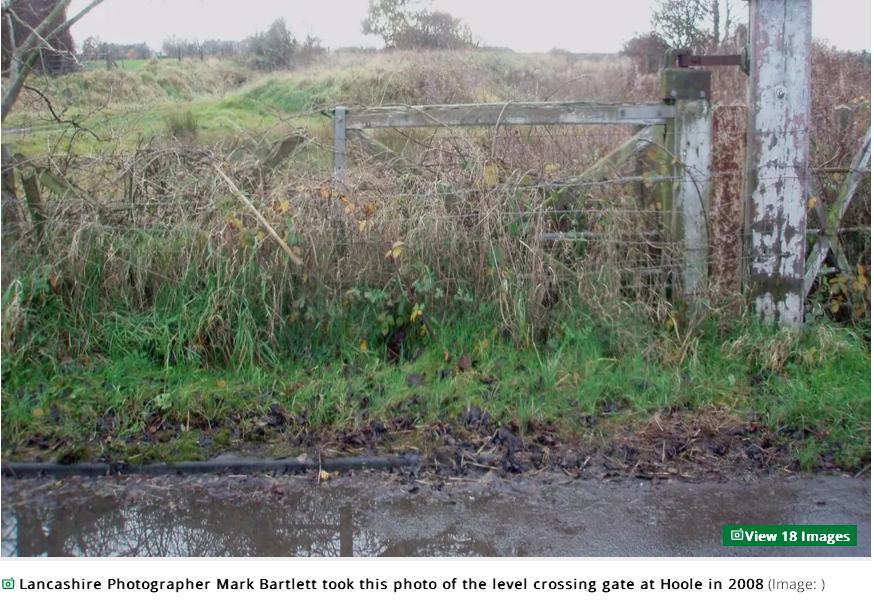
The West Lancashire Railway line, which ran north east from Southport to Preston, was closed to passengers in the 1960s, leading to the demolition of most of the stations and track beds. Hundred End Railway station was the first to go, with a residential property now standing at the site. Churchtown, Hoole and Hesketh Bank were other popular local stations that were forced to close on this line. A health centre now stands at the site of the former Churchtown station, while Hesketh Bank has been developed into residential properties.At Hoole, the level crossing gate could still be seen over forty years after it was closed to trains in 2008, as captured by Lancashire photographer Mark Bartlett for rail website Railscot. However, little else of the station remains, and the gate is more or less the only evidence left of the line between Southport and Preston as a whole.
