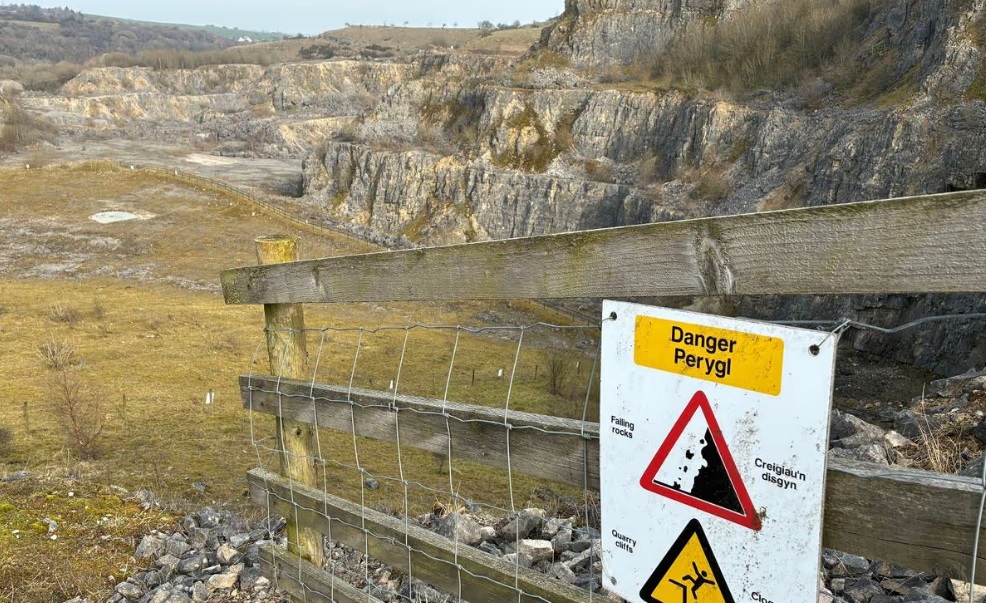
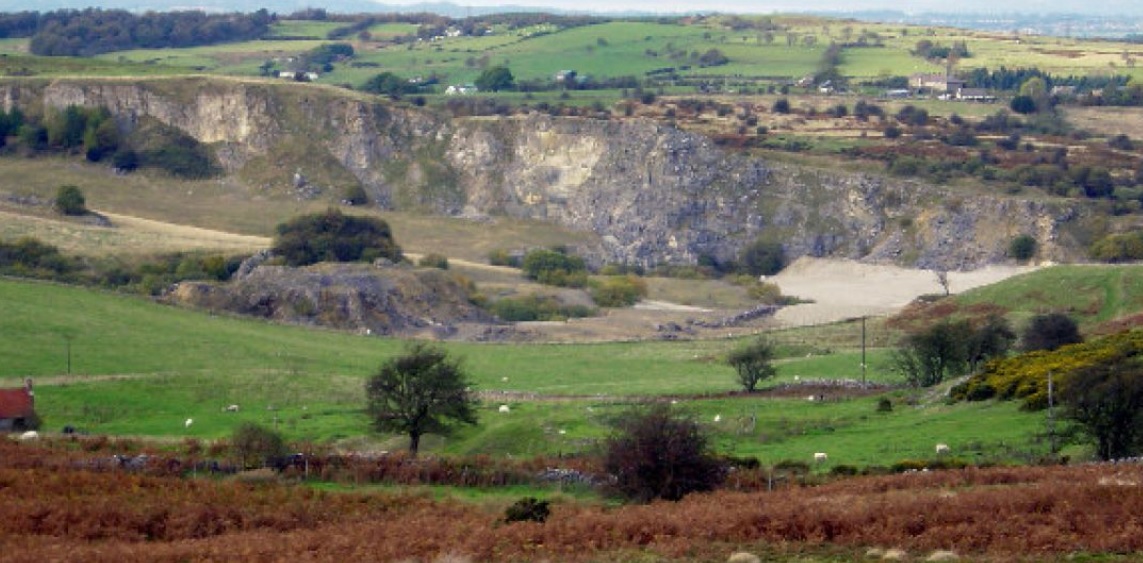
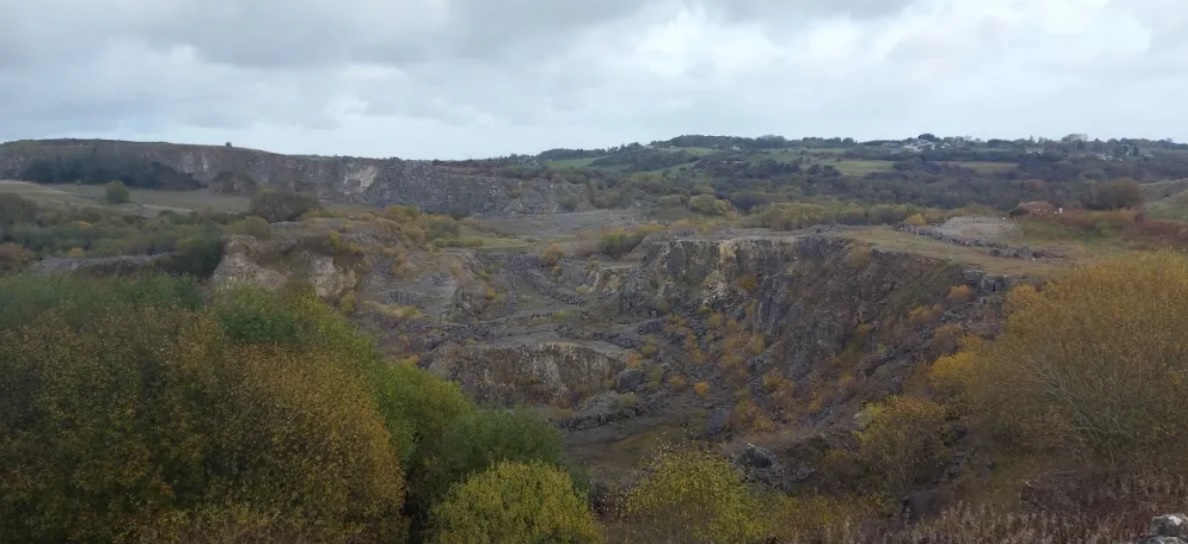
 The quarried cliff faces are dramatic but the stone is loose and dangerous(Image: Andrew Forgrave/North Wales Live)
An SOS was issued when a family became lost while exploring a former limestone quarry. In the half-term heat, they were thirsty and in need of water.
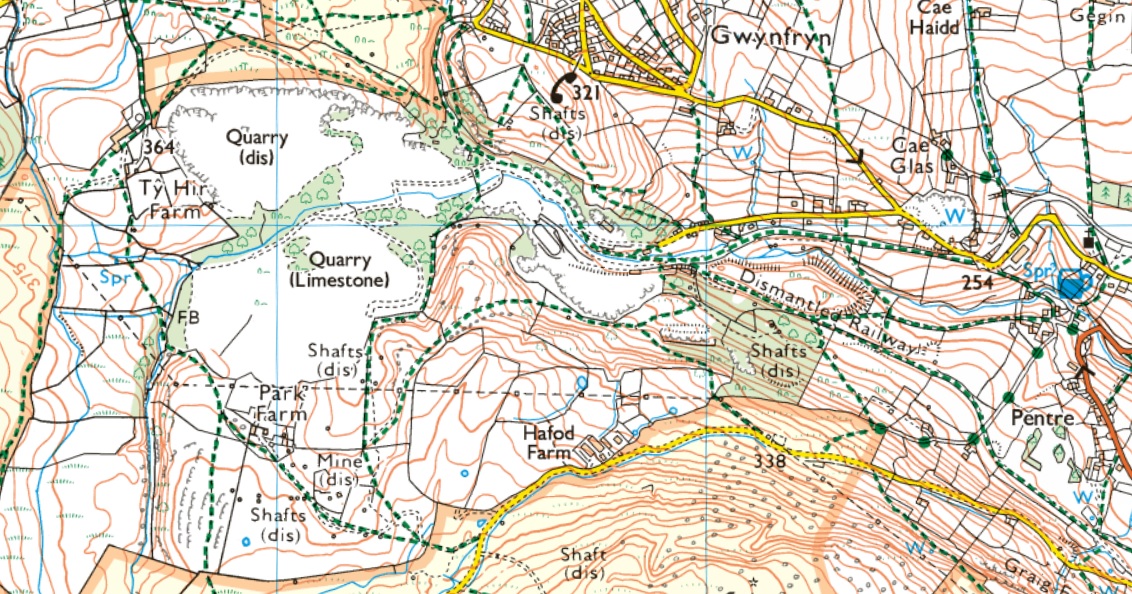
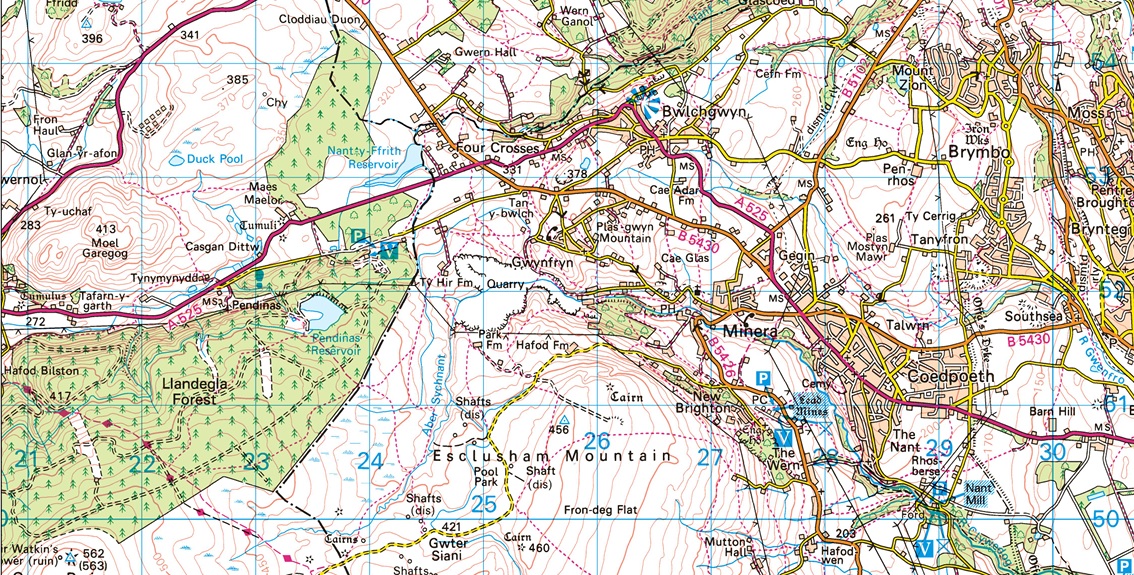 The adult, three children and their dog were visiting Minera Quarry Nature Reserve. Located in the hills above Wrexham, it’s a site where crows, red kites and sparrowhawks soar on thermals high above quarried rock faces and semi-derelict mining remains.The quarry was bought from Tarmac for £1 by North Wales Wildlife Trust (NWWT) with aim of reclaiming it for nature, a process that’s still ongoing. The result is a slightly alien landscape that makes for a (click for bigger map)
fascinating visit but is rarely busy
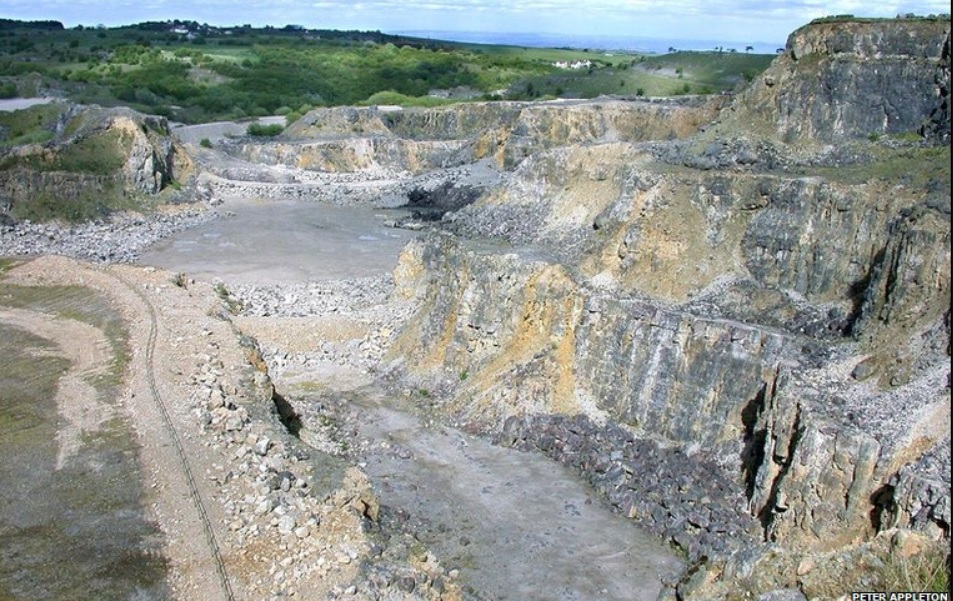
It thought the family headed along one of these and became disorientated. The alarm was raised on Wednesday afternoon, May 27, when an SOS was issued via satellite signal from an iPhone. In response, North Wales Police scrambled North East Wales Search and Rescue (NEWSAR) to the scene.
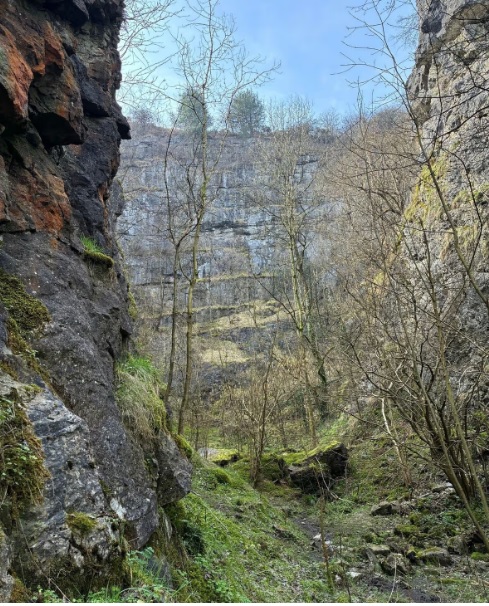
A NEWSAR spokesperson said: Initial reports suggested the family may have been near fast-flowing water. However, after further investigation, we established they were not in immediate danger from the water and were instead located at the bottom of a valley. Once located, the team provided the family with water and escorted them down the valley before helping them up a steep wooded embankment, where they were met by a team Land Rover and driven back to their vehicle.
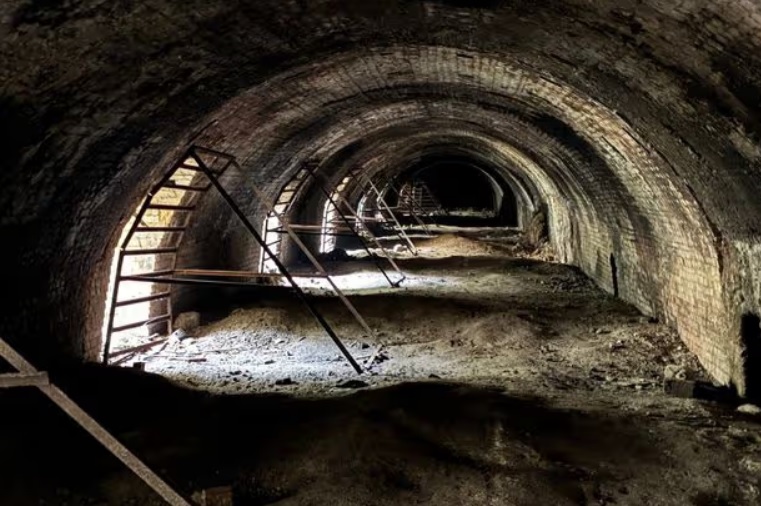
Usually, the quarry’s biggest danger is considered to be its vast network of caves that runs at least 8km (five miles) under Esclusham Mountain. The most extensive cave system in North Wales, its smaller tributaries - many still unmapped - are connected by huge 36ft-high master passage. NWWT sealed off all cave entrances with a plan to create a “unique visitor attraction”. Largely, however, this hidden subterranean world is explored only by caving clubs.
The Minera Limeworks were extensive lime quarries and kilns at Minera in Wrexham, Wales. It was located at grid reference SJ253520, near the villages of Gwynfryn, Minera, and Coedpoeth and was locally referred to as The Calch. They were once the largest lime workings in the north of Wales. Limeburning at Minera is recorded from as early as 1620 but the Minera Lime Company was established in 1852. The total output from the Minera area quarries was estimated, in 1859, to be around 300,000 tons, with 200,000 tons of this converted to lime.
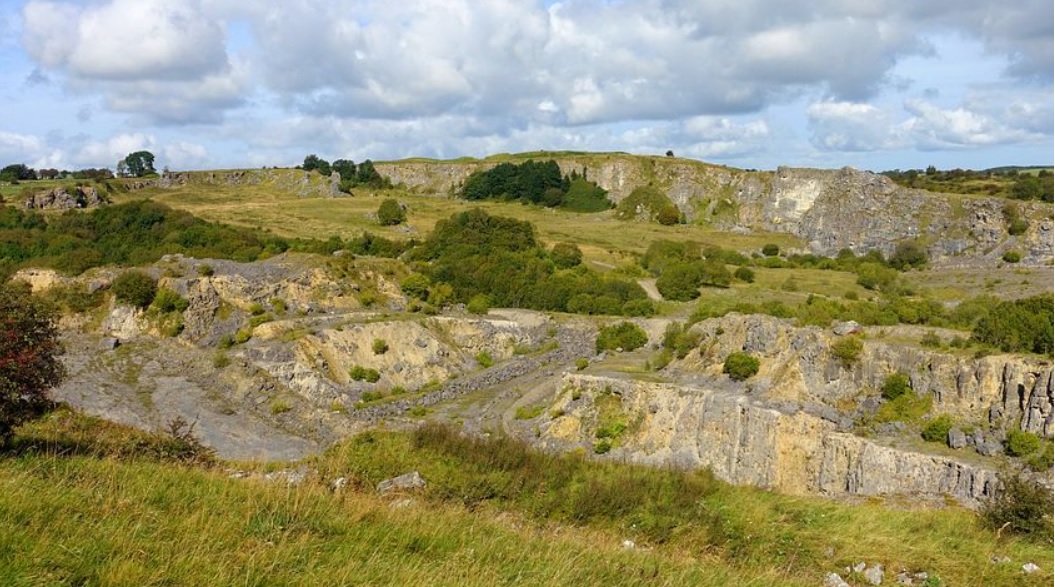
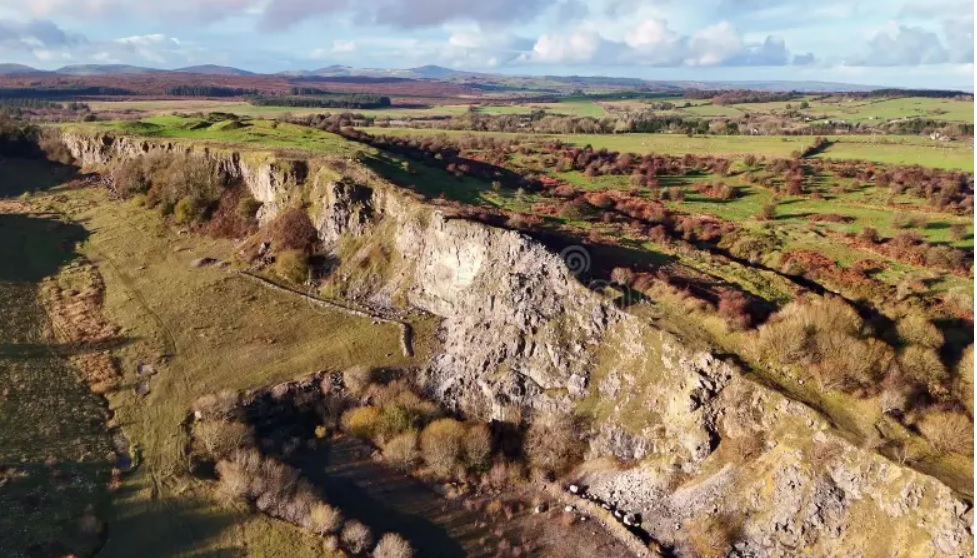 click for larger image
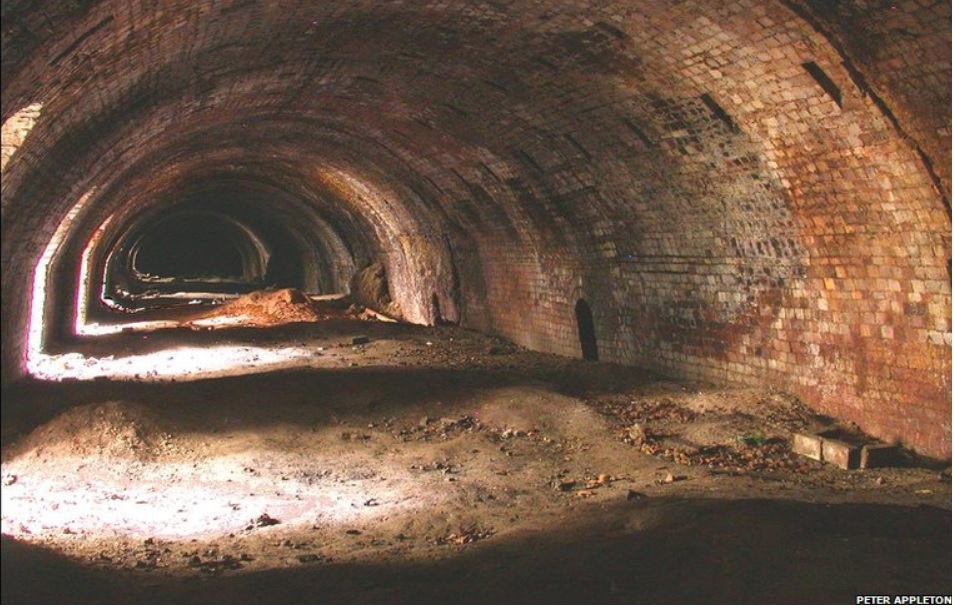
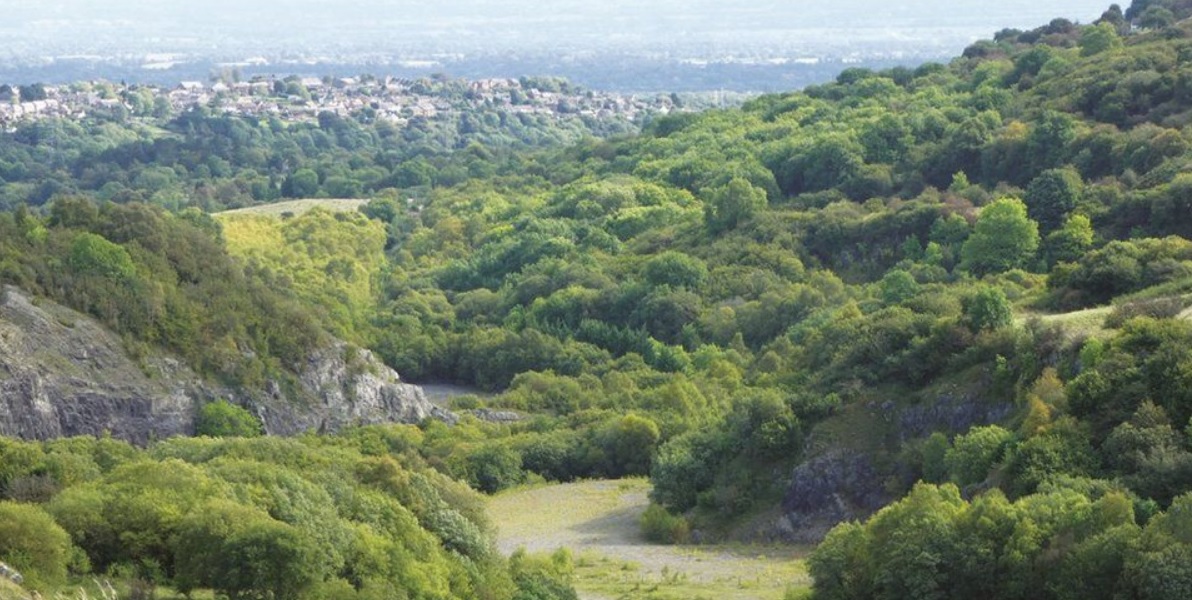
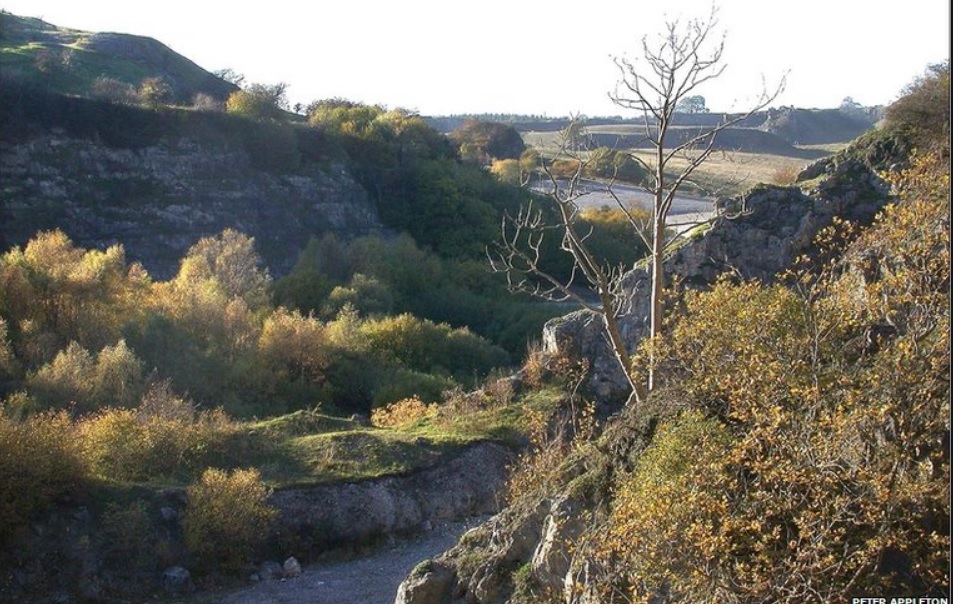 Since then the trust has made significant progress in developing a plan of action for the site that encompasses both short term improvements and long term sustainability for the site. The Trust worked in partnership with North Wales Wildlife Trust to develop the project and received political endorsement from Wrexham County Borough Council.
click for larger image
North Wales Wildlife Trust purchased the site for £1 from Tarmac, who also donated £100,000 so work could be carried out to make the site safe for public access. The site was officially opened on 2 June 2018 by Mike Dilger as their 36th Wildlife Reserve in North Wales.
 click for larger image
© Andrew Forgrave/North Wales Live/Wikipedia

