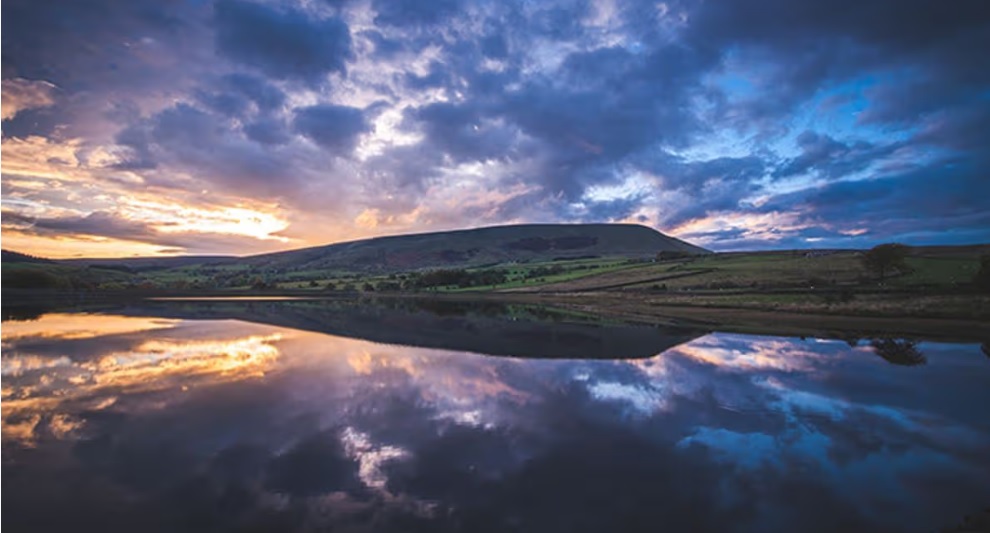
Lancashire and its surroundings have long been associated with the infamous Pendle Witch trials of 1612, and the popular Walking With Witches trail takes ramblers past key sights that were connected to the area’s ‘supernatural’ past.
The walk however, isn’t just for those who are fans of the macabre. Brimming with stunning views and breathtaking panoramas all-round, this trail is perfect for anyone who enjoys the outdoors and wants a taste of the best nature has to offer.
Lancashire and the surrounding area have long been linked to the notorious Pendle Witch trials of 1612, and the beloved Walking With Witches trail guides walkers past significant landmarks connected to the region's 'supernatural' history.
However, this walk isn't solely for those fascinated by the dark and mysterious. Packed with spectacular views and breathtaking vistas at every turn, this route is ideal for anyone who loves the great outdoors and craves a slice of nature's finest offerings.
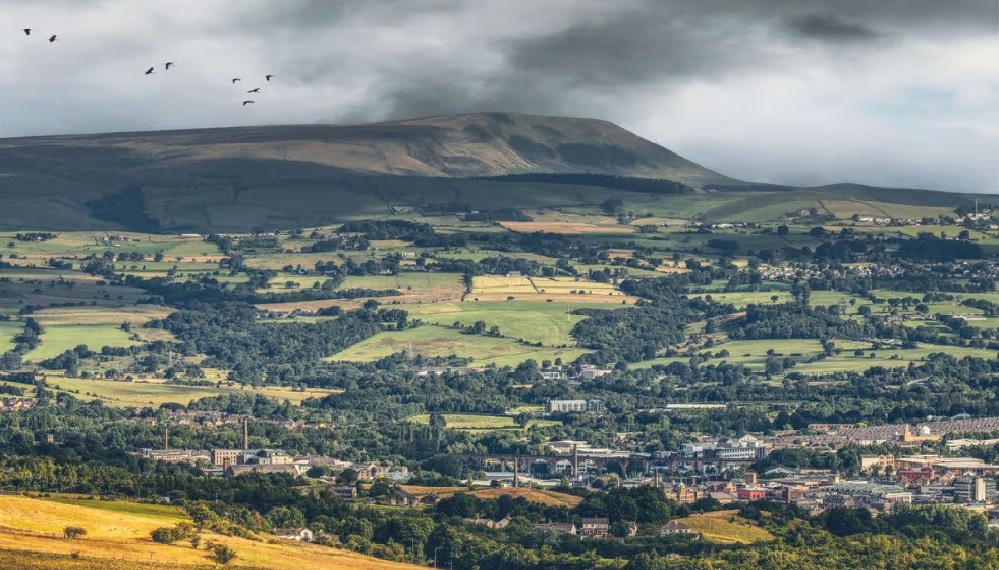
The walk starts from the Barley Car Park in Pendle and ramblers can set off on either the Western Loop (four miles long) or the Eastern Loop (three and a half miles long).
Those choosing to embark on the Western Loop (1 on the lower map) will cross a bubbling stream via a footbridge before arriving at the village of Newchurch, renowned for its St Mary's Church which features the 'eye of god' painted on its exterior to repel evil spirits, and a 'witches grave' bearing the inscription 'Nutter' near the entrance, apparently referencing the infamous 'witch' Alice Nutter (though the date on the gravestone is too recent for it to genuinely relate to Alice).
Next on the Western Loop would be Faugh’s Quarry, the location where the famous ‘witch’ Demdike is said to have met the devil. Ramblers would then continue on to Moss End Farm, another significant location in the Pendle Witch Trials as it was home to John Bullcock who testified against the witches and claimed they were responsible for his wife Jane’s death.
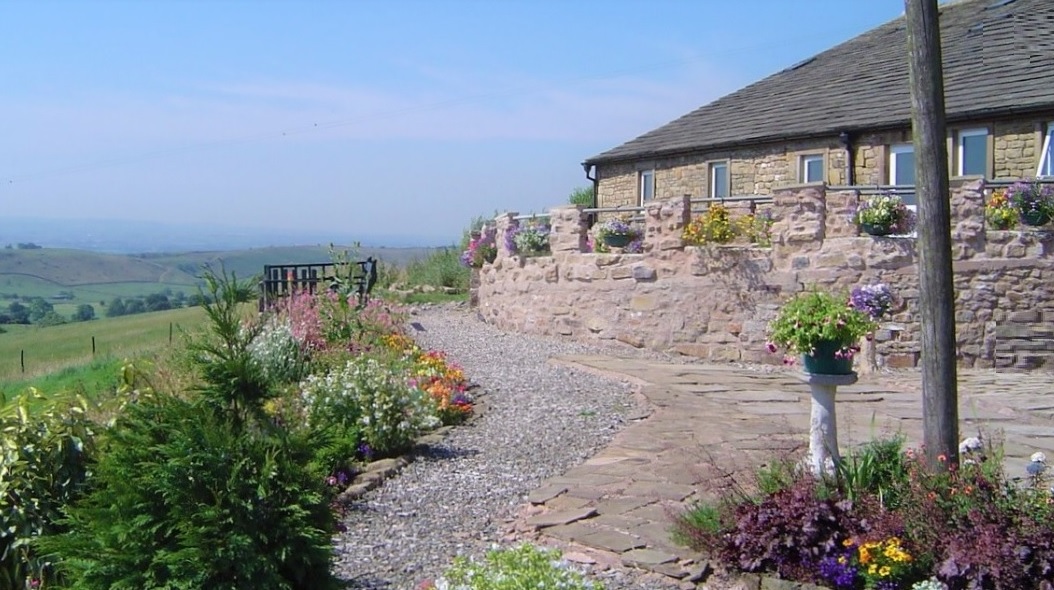
The loop would then take hikers past Saddlers Farm (considered to be Demdike’s home) which has now been converted to the Shekinah Christian Centre. Closing out the Western Loop, ramblers would go past Drivers Height Farm, descend the Upper Ogden Reservoir and head on back to Barley, all the while being treated to breathtaking views of Pendle Hill.
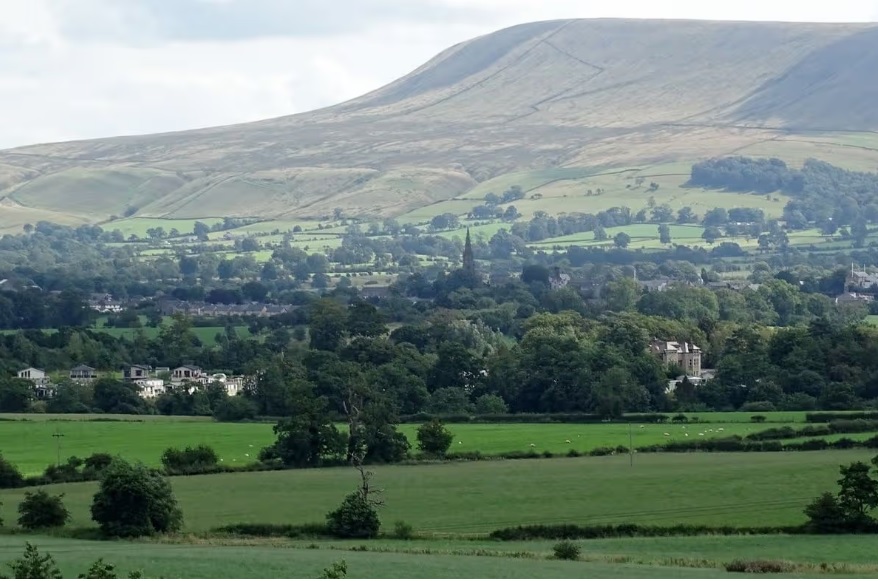
Pendle Hill will forever be associated with the Pendle Witch Trials, although there is no solid evidence that any of the key events in the trials actually took place upon the hill itself. It’s more than just its witchy past though — in 1652, author and English Dissenter George Fox climbed Pendle Hill and it was while looking out from the hill that he had a vision which inspired him to found the popular Quaker movement. Additionally, the summit of Pendle Hill, also known as The Big End, is considered to be the site of a Bronze Age Burial mound.
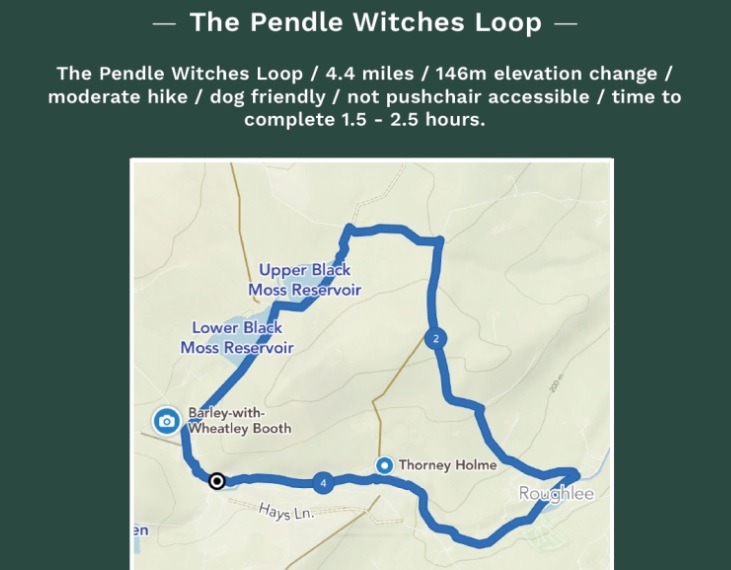
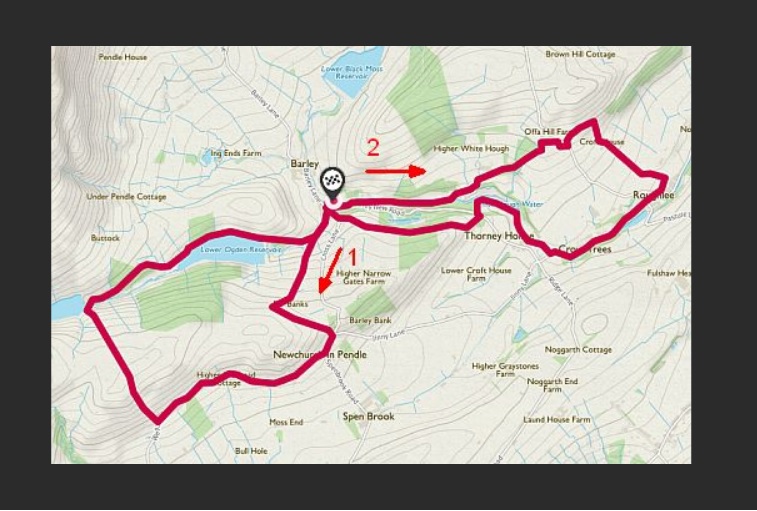
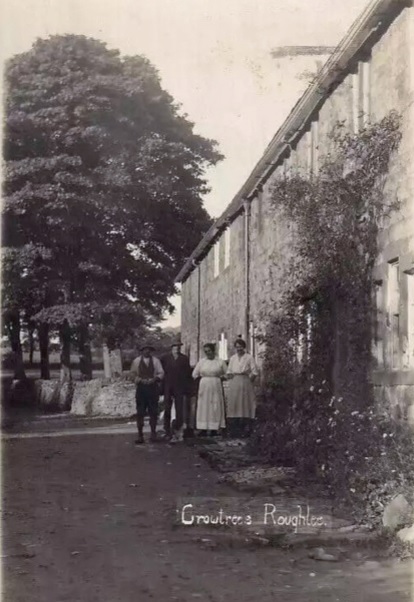
The Eastern Loop, (2 on the lower map) meanwhile, takes walkers along the Pendle Way, passing Croft House Farm and crossing stiles and footbridges before reaching Roughlee village, a significant location in the notorious Pendle Witch Trials. Continuing past Crowtrees Farm, believed to have been Alice Nutter's residence, ramblers follow the picturesque route before circling back to the car park.
While the general area around Pendle is considered to be haunted and hailing from dark origins, it's impossible to take away from its jaw-dropping beauty — making it the ideal getaway for walking enthusiasts (especially those who love elements of the supernatural). Despite the area's reputation for being haunted and steeped in sinister history, there's no denying Pendle's breathtaking beauty - making it perfect for keen walkers, particularly those with a penchant for the paranormal.
On Well Head Lane, Newchurch-in-Pendle, from the centre of Newchurch about 100 yards to your right you will stumble upon is Faugh's Quarry. Carved on a large stone there is a face. This is, according to legend, 'The Wizzard Of The Stone Pit', or 'The Wizzard of Green Hill'. Also likened to the Green Man. The carving is between 12-15 inches high and the bearded, moustacheod face can clearly be seen on the sandstone rock, a circulating tale is that this rock was carried away from the quarry by a local stonemason. The rock was to be crafted into a gargoyle or carving for a nearby abbey (potentially Whalley) but the stonemason discovered something bizarre in connection with the rock he had chosen. Was this just a crack or flaw or something more mystical? Either way he chose to return it to the quarry, incomplete and erected it in the position to which it still stands today.
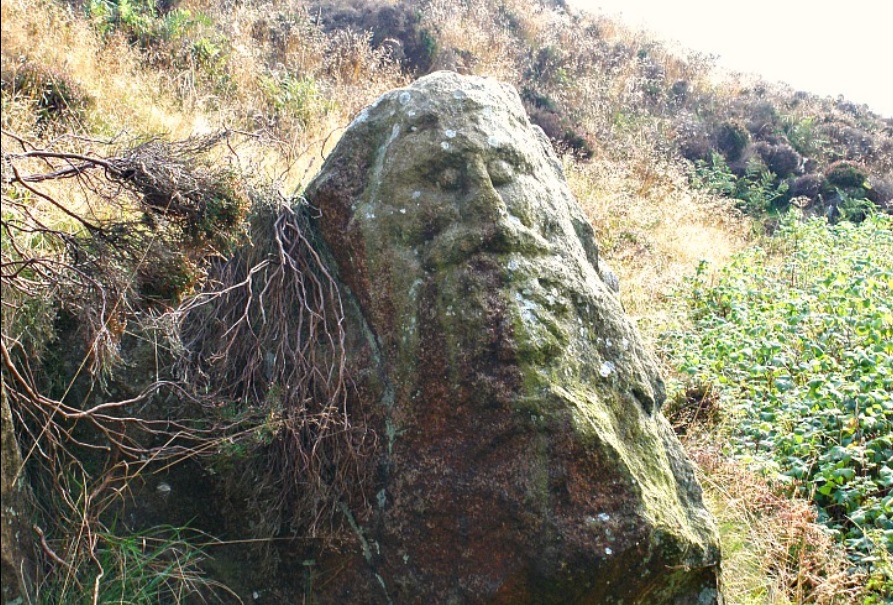
The Quarry, with it’s not the clearest of entrance markers but this only adds to the mystery and enigma which resides inside. Standing grand at around 30 feet high, the ex-working quarry has embraced nature since its retirement. Thick moss and bull thistle now cover the area that once would have been occupied by Lancashire lads grafting a hard day’s work. Faugh’s Quarry also goes by another name, if you are up to speed on your Pendle witch history then you will know it as ‘Stonepit in Goulshey’. Elizabeth Southerns (alias Old Demdike) supposedly confessed to meeting the devil here in the form of a young boy named Tibb. This created much speculation that the face in the stone is that of an apotropaic guardian, some form of angelic onlooker who brings peace to the site and protects from evil force.
Witch Trials
 On 2 April 1612, Demdike, Chattox, and Chattox's daughter Anne Redferne, were summoned to appear before Nowell. Both Demdike and Chattox were by then blind and in their eighties, and both provided Nowell with damaging confessions. Demdike claimed that she had given her soul to the Devil 20 years previously, and Chattox that she had given her soul to "a Thing like a Christian man", on his promise that "she would not lack anything and would get any revenge she desired". Although Anne Redferne made no confession, Demdike said that
she had seen her making clay figures. Margaret Crooke, another witness seen by Nowell that day, claimed that her brother had fallen sick and died after having had a disagreement with Redferne, and that he had frequently blamed her for his illness. Based on the evidence and confessions he had obtained, Nowell committed Demdike, Chattox, Anne Redferne and Alizon Device to Lancaster Gaol, to be tried for maleficium – causing harm by witchcraft – at the next assizes.
Meeting at Malkin Tower
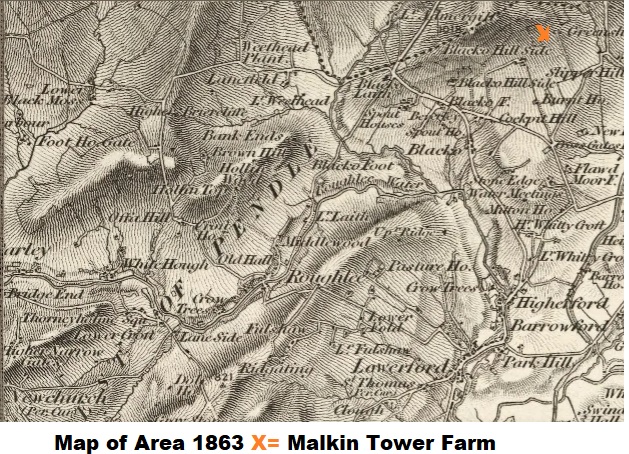 The committal and subsequent trial of the four women might have been the end of the matter, had it not been for a meeting organised by Elizabeth Device at Malkin Tower, the home of the Demdikes, held on Good Friday 10 April 1612.
To feed the party, James Device stole a neighbour's sheep. Friends and others sympathetic to the family attended, and when word of it reached Roger Nowell, he decided to investigate. On 27 April 1612, an inquiry was held before Nowell and another magistrate, Nicholas Bannister, to determine the purpose of the meeting at Malkin Tower, who had attended, and what had happened there.
As a result of the inquiry, eight more people were accused of witchcraft and committed for trial: Elizabeth Device, James Device, Alice Nutter, Katherine Hewitt, John Bulcock, Jane Bulcock, Alice Grey and Jennet Preston. Preston lived across the border in Yorkshire, so she was sent for trial at York Assizes; the others were sent to Lancaster Gaol, to join the four already imprisoned there. Malkin Tower is believed to have been near the village of Newchurch in Pendle, or in Blacko on the site of present-day Malkin Tower Farm, and to have been demolished soon after the trials.
The trials of the Pendle witches in 1612 are among the most famous witch trials in English history, and some of the best recorded of the 17th century. The twelve accused lived in the area surrounding Pendle Hill in Lancashire, and were charged with the murders of ten people by the use of witchcraft. All but two were tried at Lancaster Assizes on 18–19 August 1612, along with the Samlesbury witches and others, in a series of trials that have become known as the Lancashire witch trials. One was tried at York Assizes on 27 July 1612, and another died in prison. Of the eleven who went to trial – nine women and two men – ten were found guilty and executed by hanging; one was found not guilty.English witch trials that took place on 18–19 August 1612, commonly known as the Lancashire witch trials. Except for one trial held in York they took place at Lancaster Assizes. Of the twenty men and women accused – amongst them the Pendle witches and the Samlesbury witches – eleven were found guilty and subsequently hanged; one was sentenced to stand in the pillory, and the rest were acquitted.
 Six of the Pendle witches came from one of two families, each at the time headed by a woman in her eighties: Elizabeth Southerns (a.k.a. Demdike), her daughter Elizabeth Device, and her grandchildren James and Alizon Device; Anne Whittle (a.k.a. Chattox), and her daughter Anne Redferne. The others accused were Jane Bulcock and her son John Bulcock, Alice Nutter, Katherine Hewitt, Alice Grey, and Jennet Preston.
The outbreaks of 'witchcraft' in and around Pendle may suggest that some people made a living as traditional healers, using a mixture of herbal medicine and talismans or charms, which might leave them open to charges of sorcery. Many of the allegations resulted from accusations that members of the Demdike and Chattox families made both against each other, perhaps because they were in competition, trying to make a living from healing, begging, and extortion.
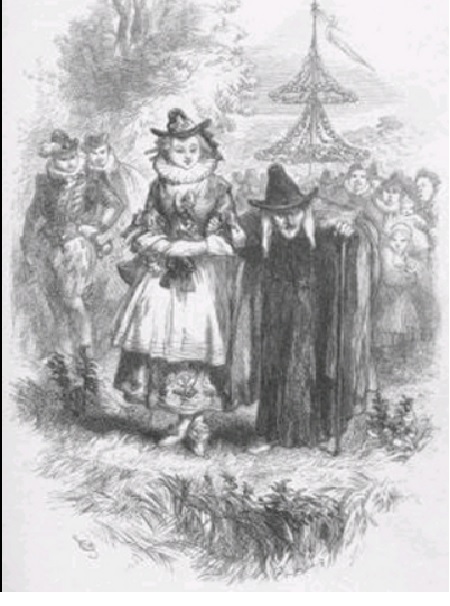
A depiction of two accused: Old Chattox, and daughter Anne Redferne, walking through Pendle.
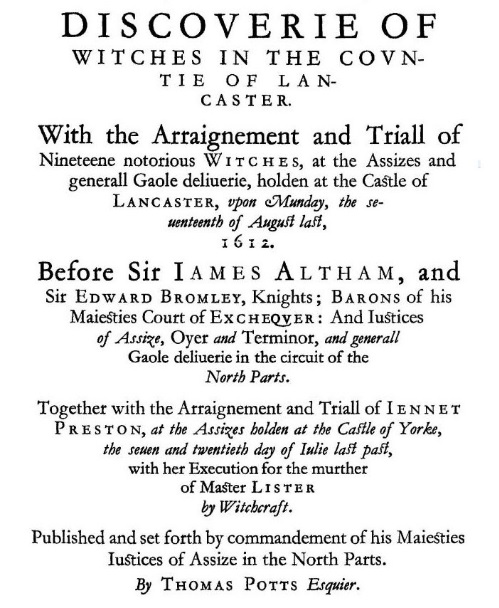 The official publication of the proceedings by the clerk to the court, Thomas Potts, in his The Wonderfull Discoverie of Witches in the Countie of Lancaster, and the number of witches hanged together – nine at Lancaster and one at York – make the trials unusual for England at that time. It has been estimated that all the English witch trials between the early 15th and early 18th centuries resulted in fewer than 500 executions; this series of trials accounts for more than two per cent of that total.
FULL TRANSCRIPT OF POTTS official publication
Easier to download for reading very long file.(right click save link as)
Chetham report on Potts MDCCXLV 1745
Easier to download for reading very long file.(right click save link as)
wikipedia description link
AND ........ for the really keen fruitcakes out there:
KING JAMES I & VI Book of Daemonologie
