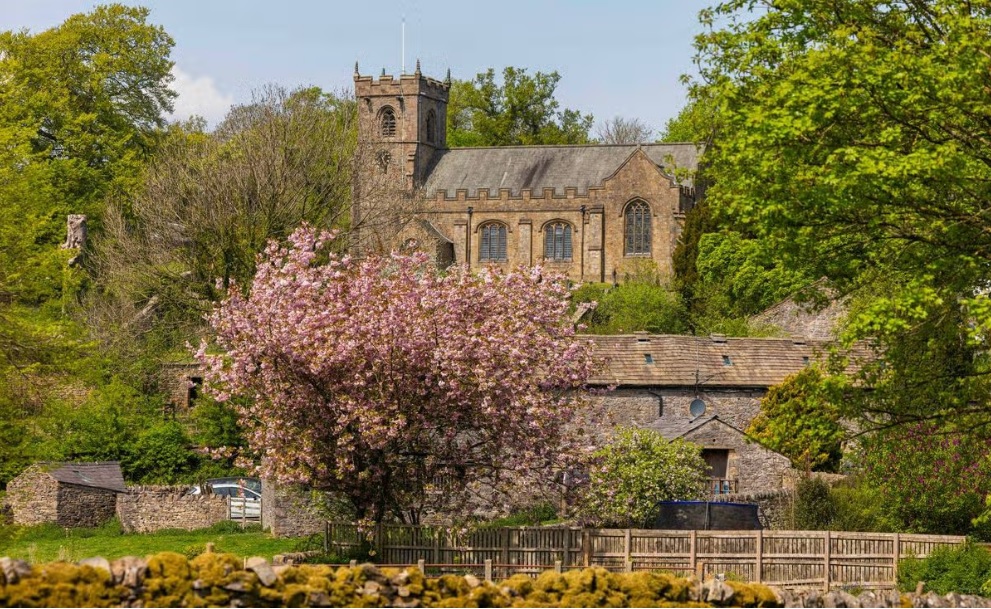
LancsLive previously reported that there are no visible TV aerials. No overhead power lines. No satellite dishes clinging to rooftops. At first glance, it can feel almost uncanny, like stepping onto a film set that forgot to include the crew. In reality, the village is fully modern - its utilities simply run discreetly underground to preserve the historic streetscape.That sense of preservation is no accident. Downham has long been associated with the Assheton family, who have overseen the surrounding estate for more than 500 years, shaping the village’s carefully maintained appearance and atmosphere.
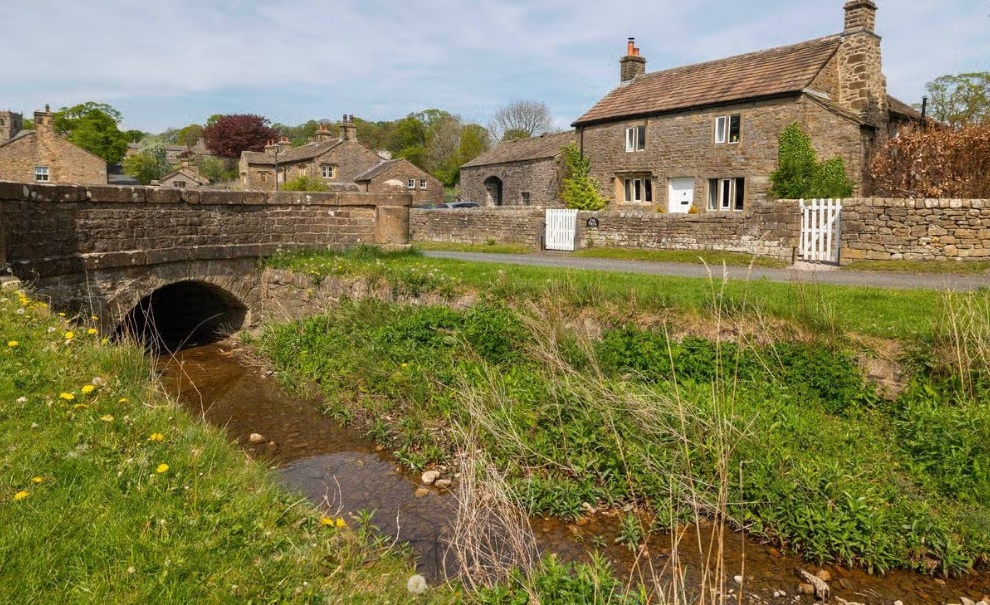
It’s also why Downham has repeatedly caught the attention of filmmakers. Its unchanged aesthetic has featured in productions such as Whistle Down the Wind (1961), BBC drama Born and Bred, and The Secret of Crickley Hall. For many visitors, it feels oddly familiar — even if they can’t immediately place it. Despite its secluded feel, Downham is surprisingly easy to reach. It’s around an hour and 15 minutes from Liverpool, making it a straightforward day trip for anyone looking to swap city streets for countryside calm, walking routes begin almost as soon as you arrive, with paths leading out towards Pendle Hill and across the surrounding landscape.
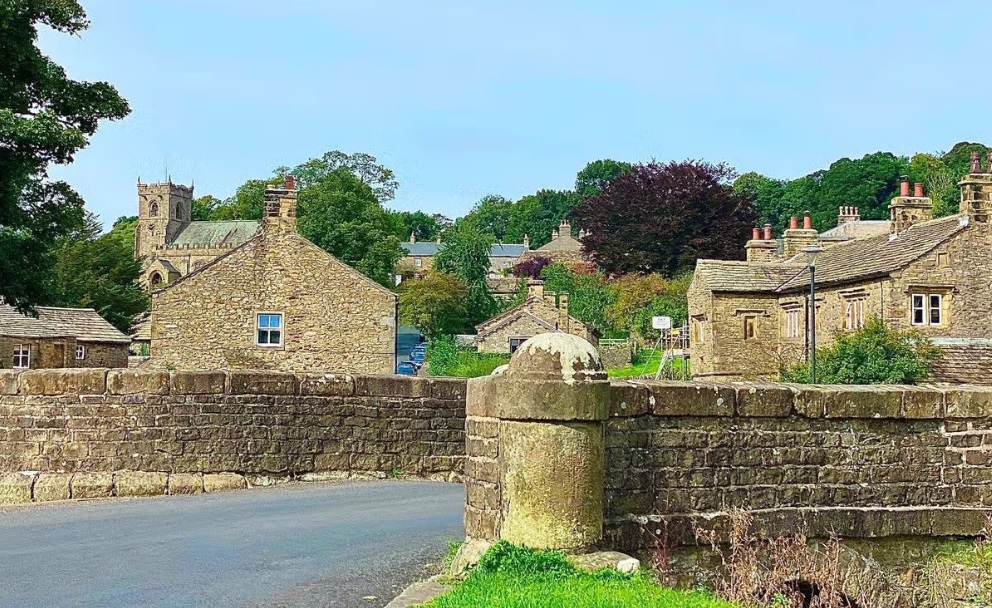
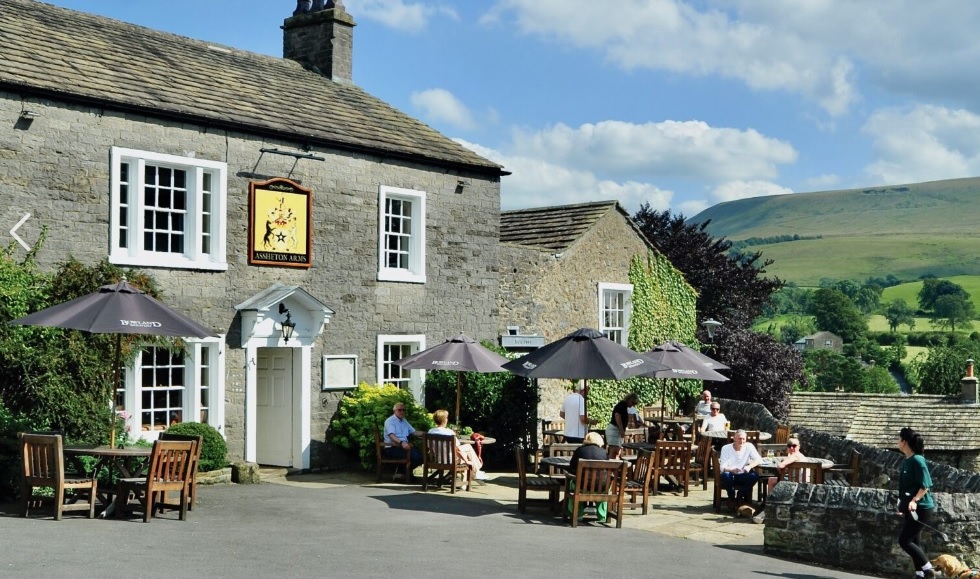
Many visitors start from the West Lane car park (BB7 4BS), a free and well-rated spot that places you just steps from the village centre. At the heart of it all sits the The Assheton Arms — a traditional country inn with low beams, flagstone floors, and wide views across the valley. Inside, it serves classic pub dishes like fish and chips, cheese and onion pie, and slow-cooked lamb shank, while outside tables look straight onto the surrounding hills.And for something simpler, there’s even a small ice cream shop nearby — a reminder that despite its historic appearance, Downham is still very much a living, breathing village. It doesn’t try to modernise itself for visitors. That’s exactly why people come.
The church tower is a splendid example of 15th century architecture. Successive generations of the Assheton family have lived at Downham Hall since 1558; the present squire is Lord Clitheroe of Downham. A large stone by the entrance to Downham Hall is said to mark the final resting place of two legionnaires who died on the Roman road during trouble with the Brigantes.
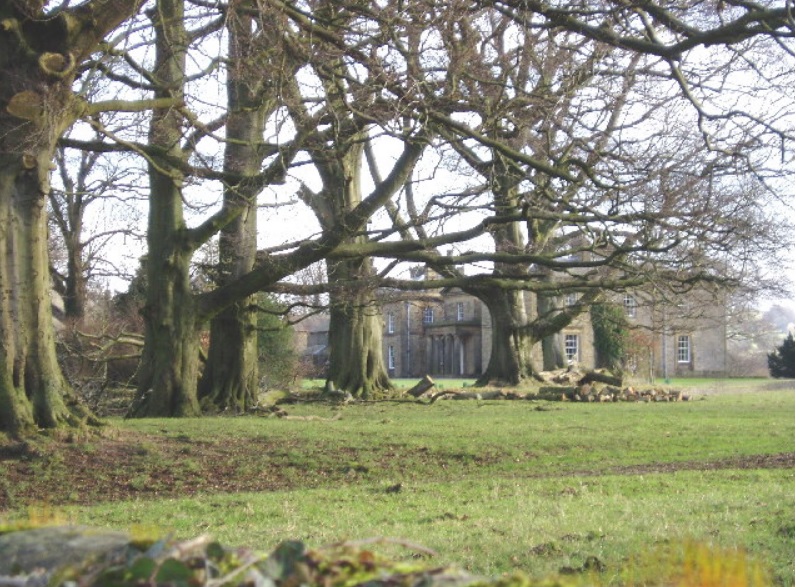
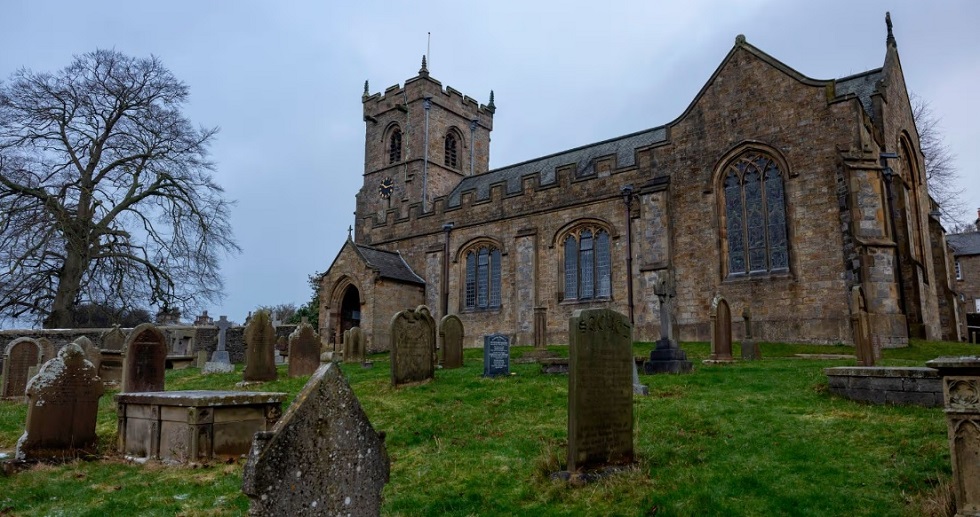
The Assheton family is responsible for keeping the village and surrounding well managed estate, including the farms and some of the houses in neighbouring Twiston, in its present unblemished condition. None of the properties on the estate is privately owned. The manor has been in the family’s ownership since 1558 and has passed through a direct male line of the Assheton’s since 1680. Settlers came to the Downham area over 1000 years ago, probably in the 8th or 9th century, although the village does not get a mention in Domesday.
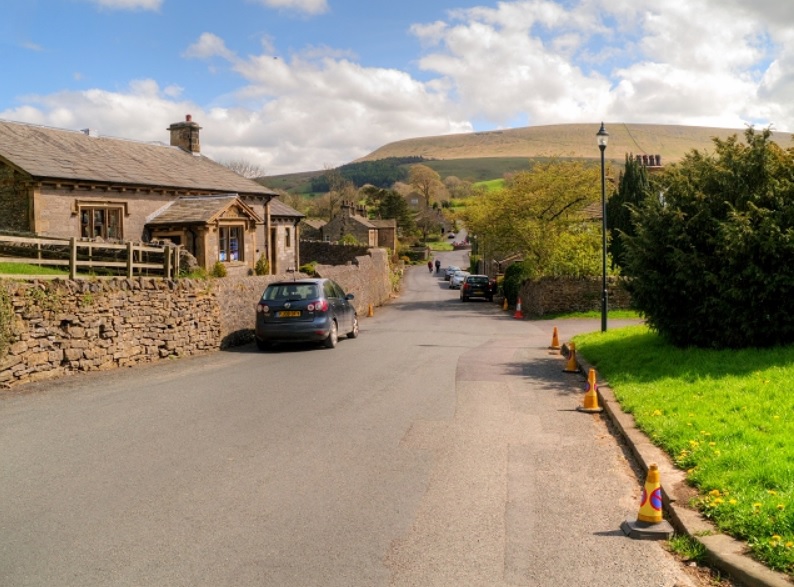
Place names suggest early settlement and a reference to the village elder or lord, Aufray "Alfred" the Saxon in early records suggest a settled community at the time of the Norman Conquest. Two ancient roads passed by taking travellers across this area of the Ribble Valley: the well known route of the Roman road from Ribchester to llkley passes along Downham Green to the north of the village merging beyond Downham with a much older route, probably part of the Irish Gold Road, which passes the south end of the village. Its long history makes Downham one of the foundation villages of Pendle; the manor court rolls record a Halmote [local court] held here since the 14th century. A much larger community some 200 years ago, it has a typical Pennine village history of agriculture and handloom weaving. In 1816 a Wesleyan chapel (now the village hall) was built on the ridge at the end of the village opposite the church. Most of the present stone cottages were built on older sites between the reigns of the ‘great’ queens Elizabeth I and Victoria. The oldest Tudor house is dated 1580.
© Lancs Live & Wiki
end of file
